60 Cinematic prompts to copy
Every prompt below links to the full prompt page with the image and copy button.
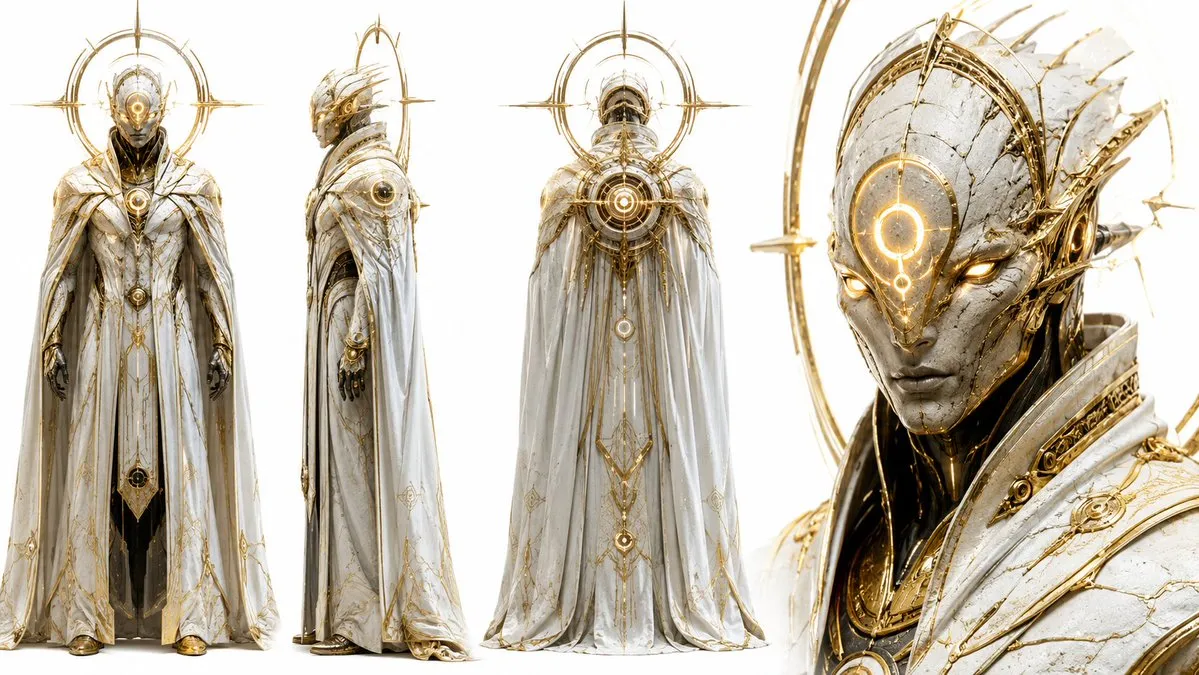
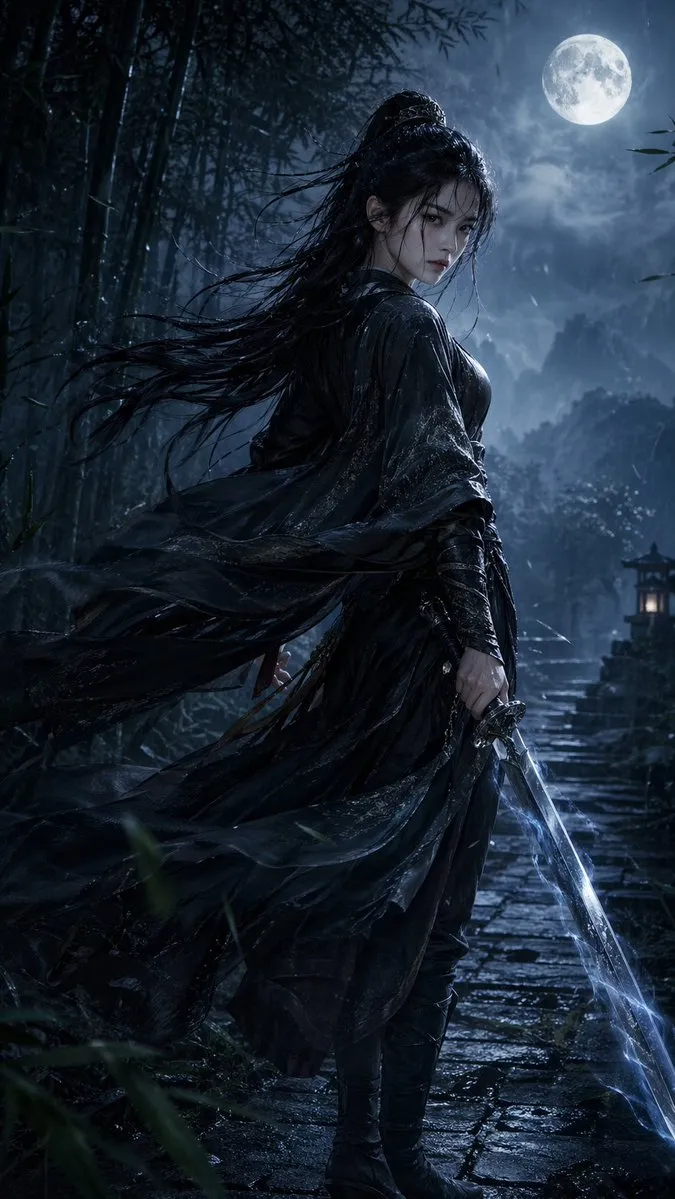
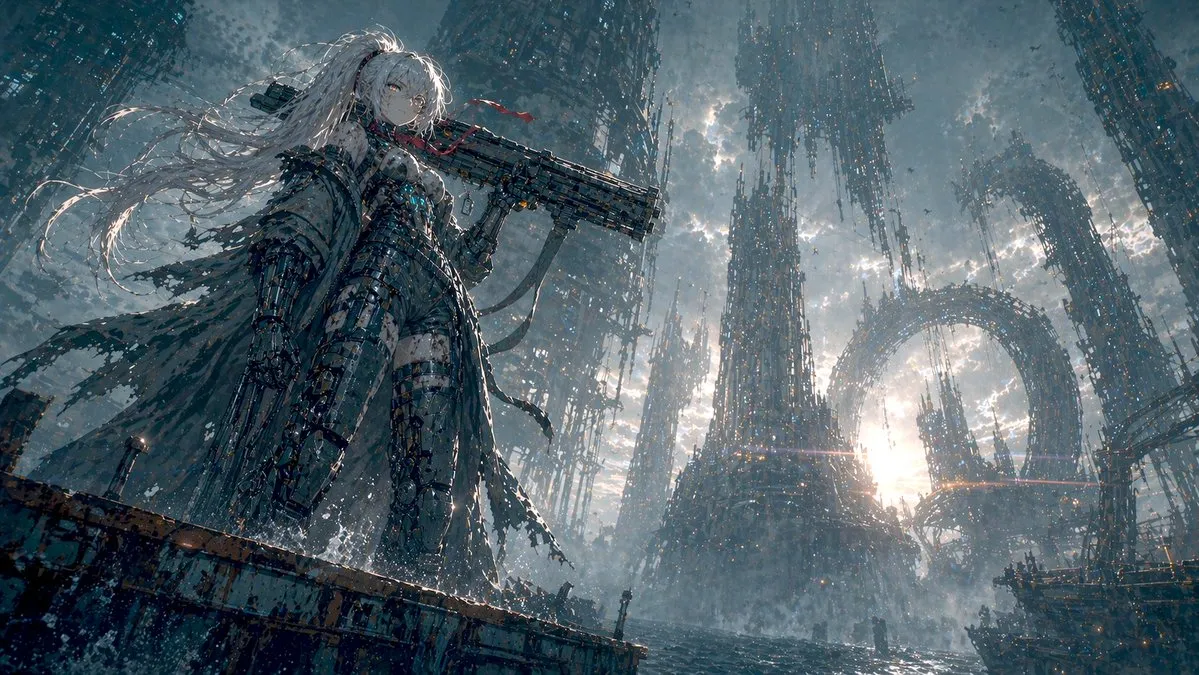

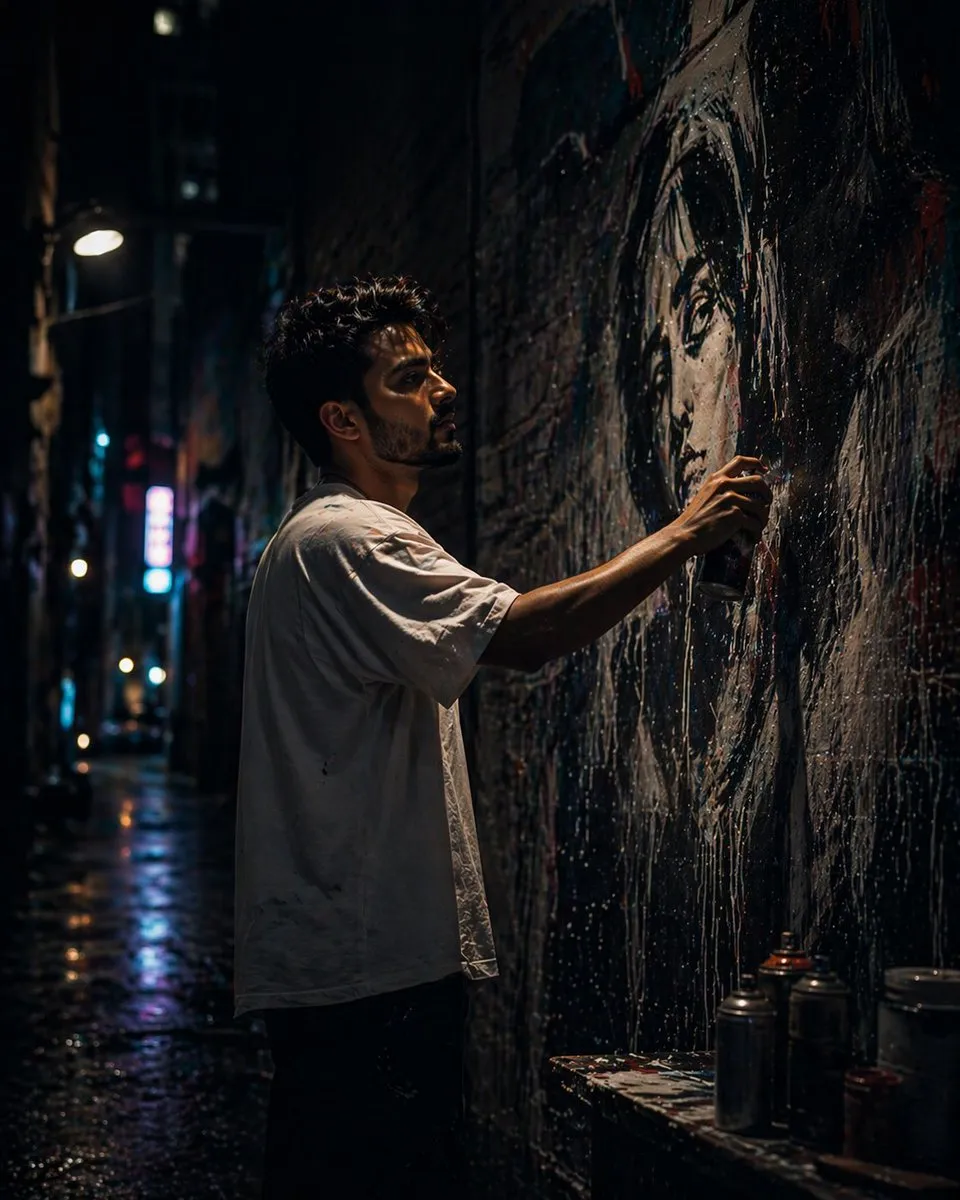
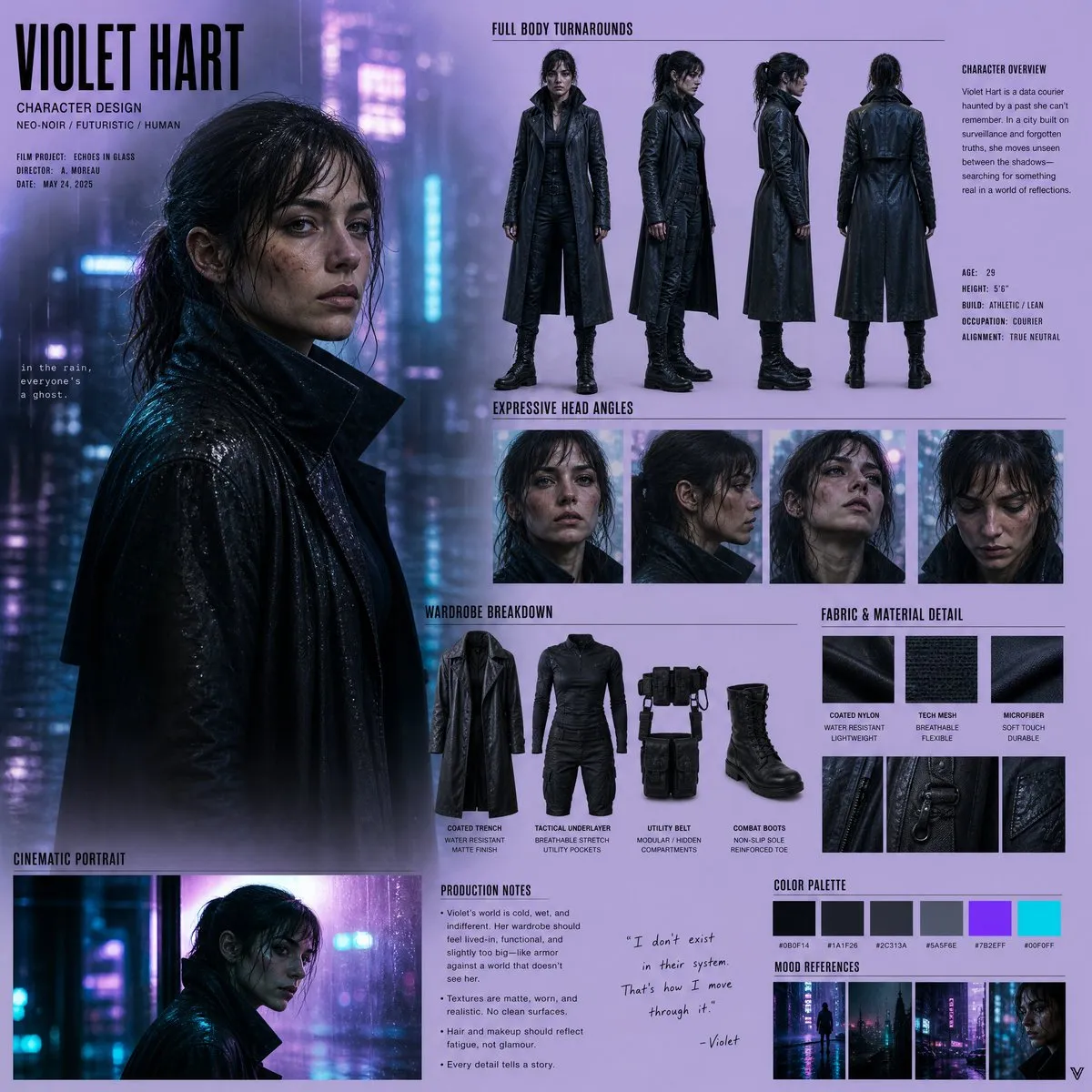
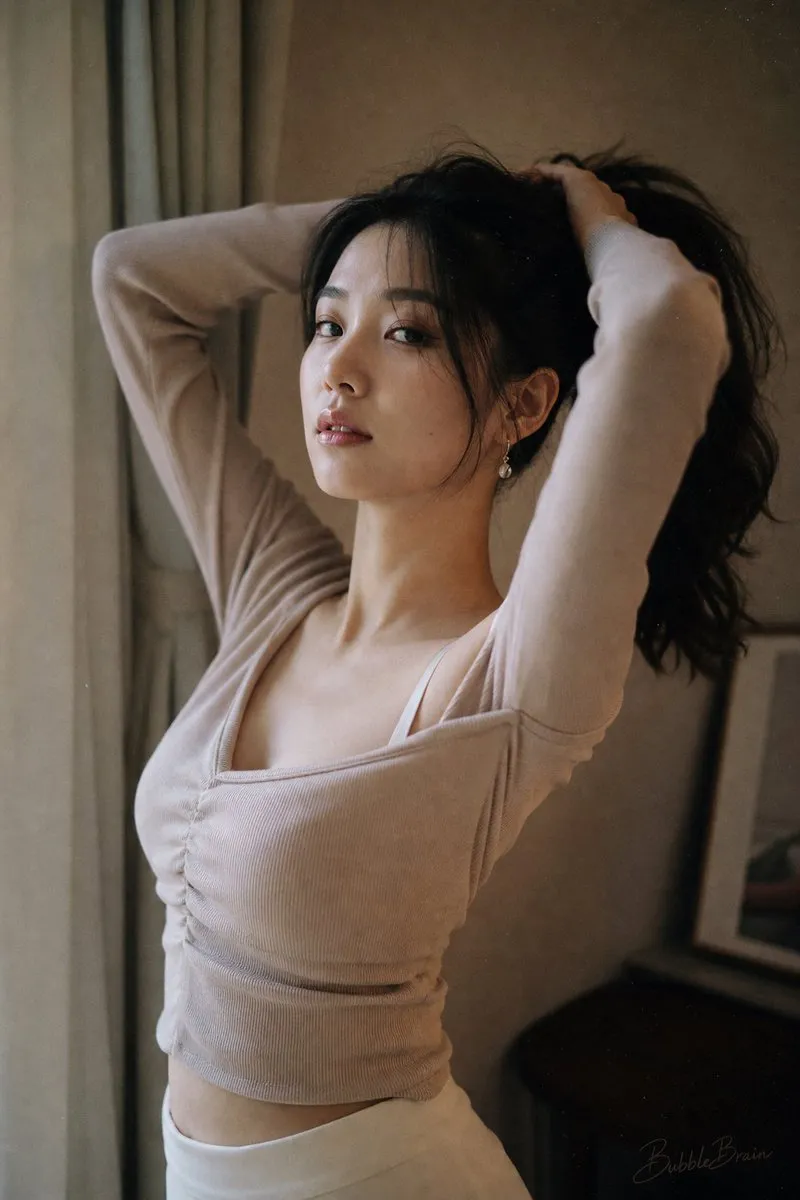
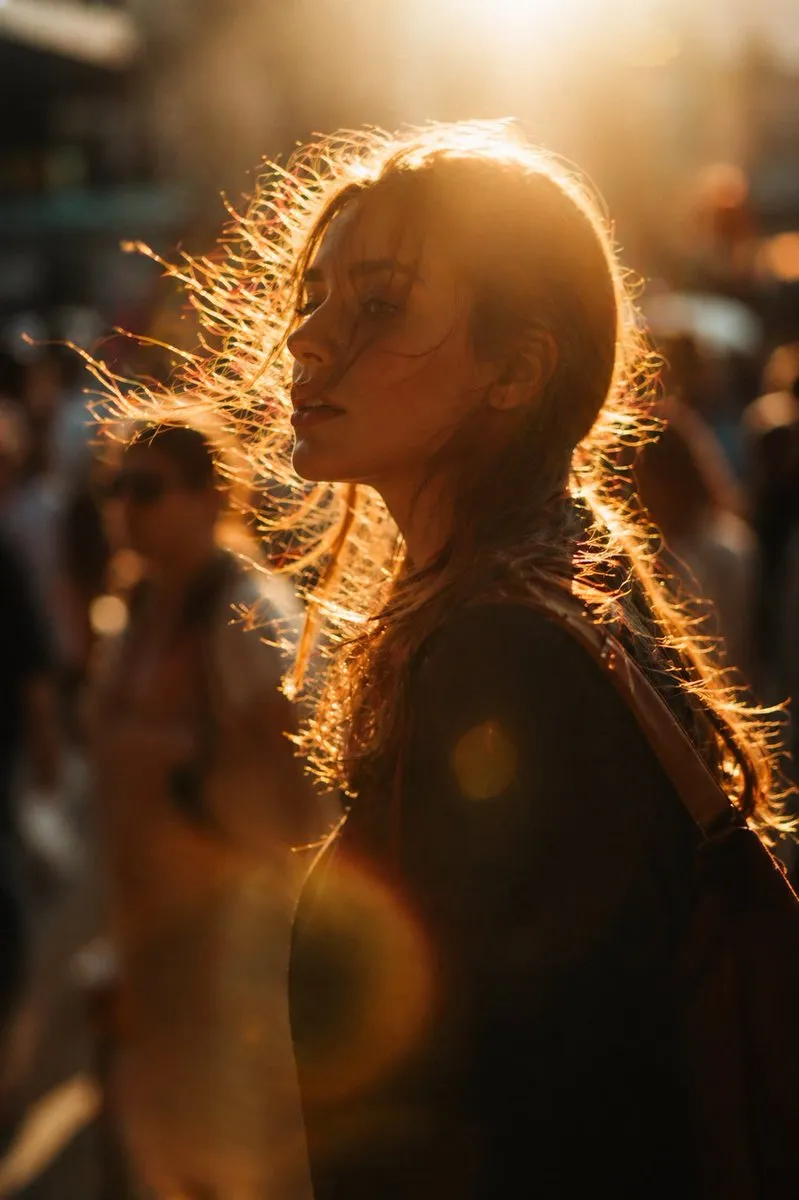
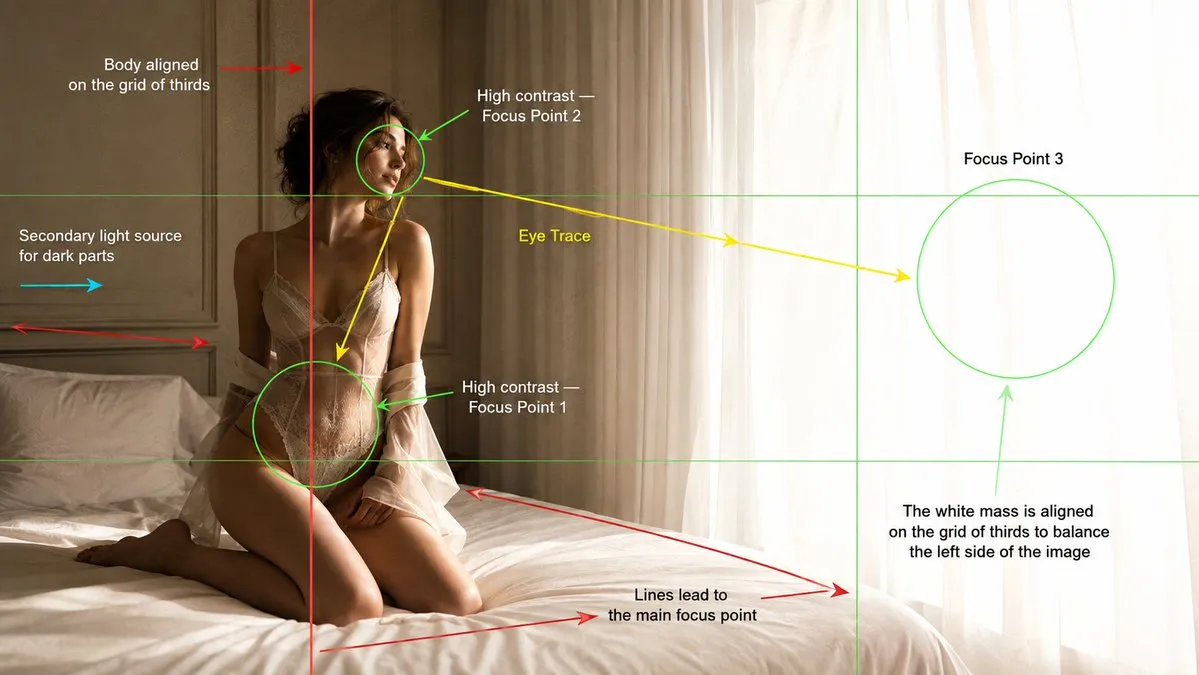
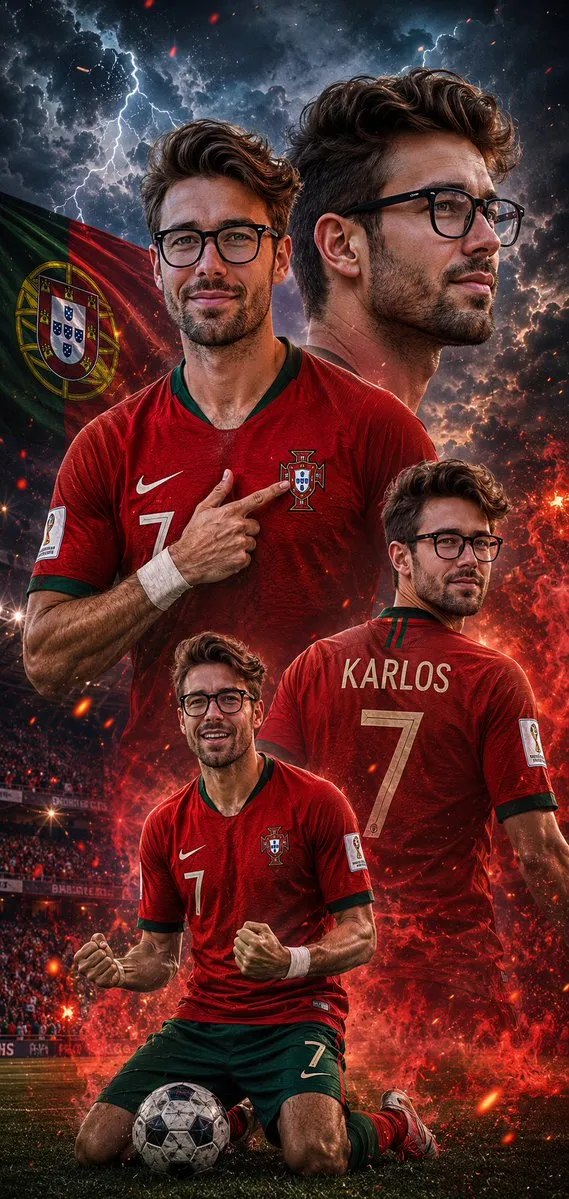
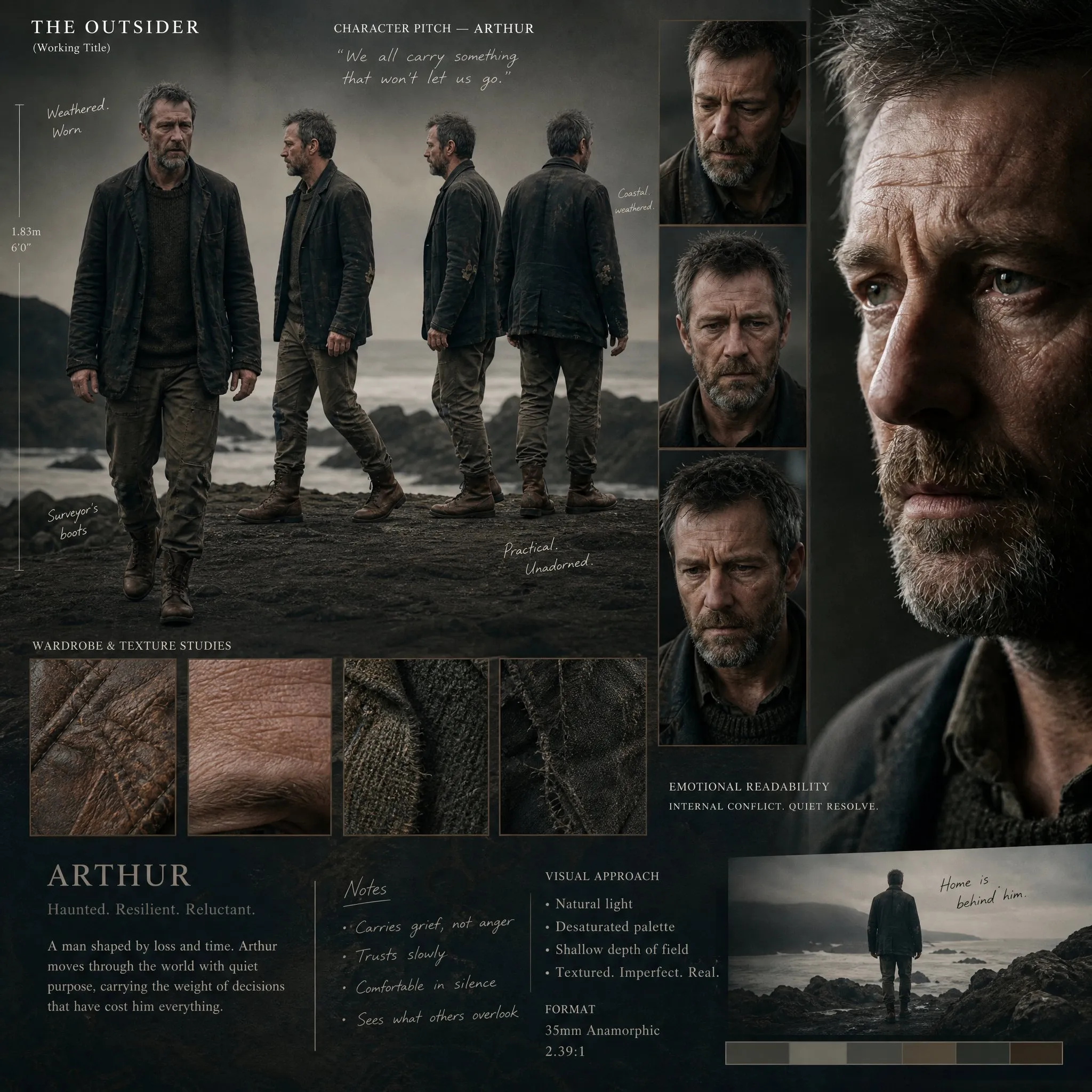
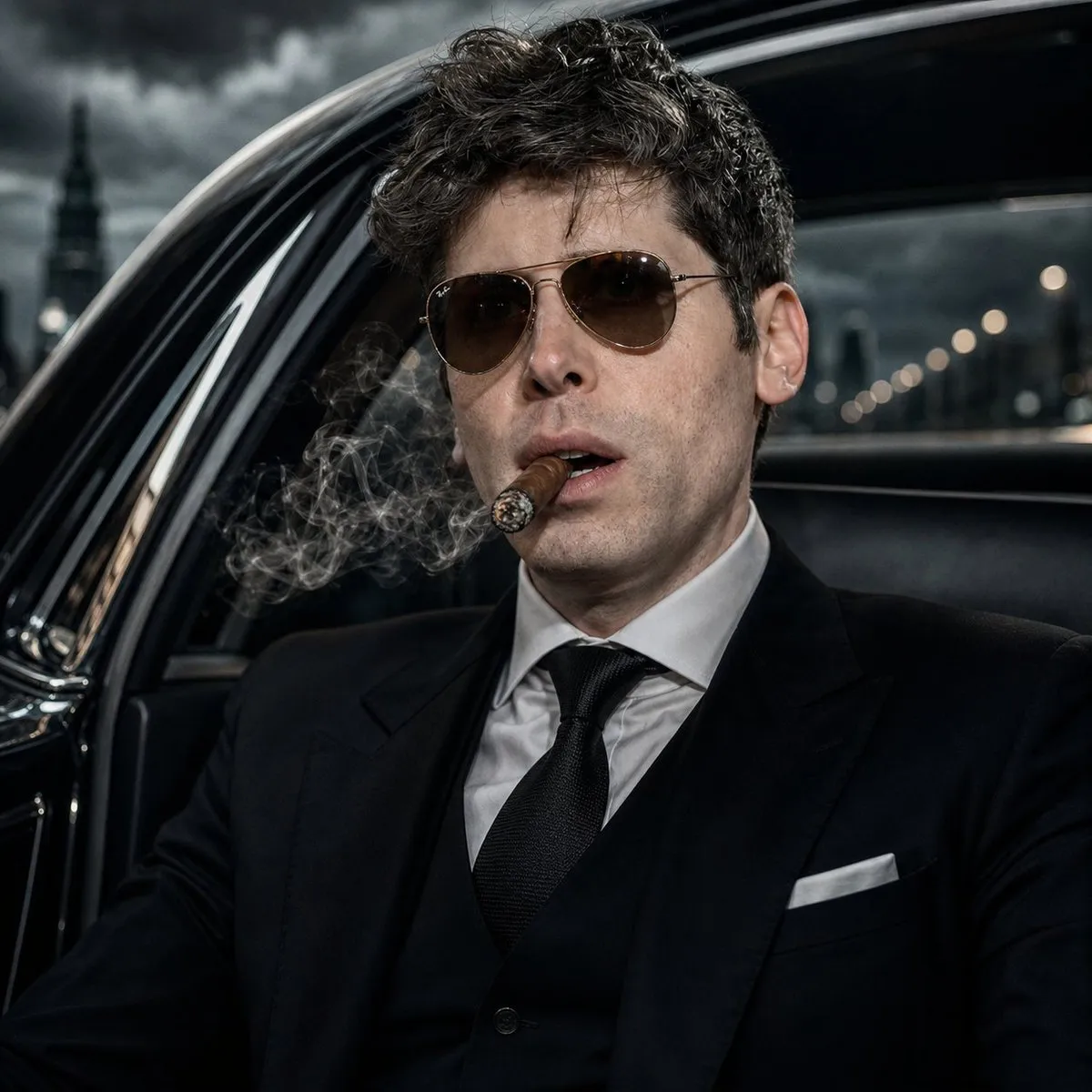
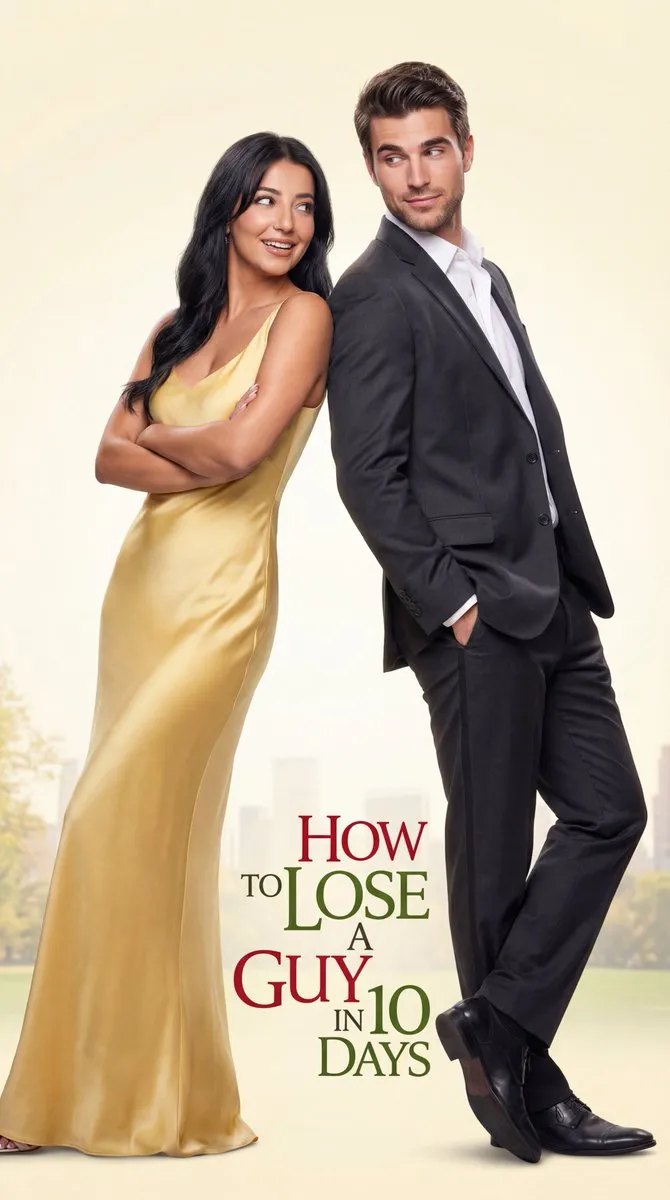
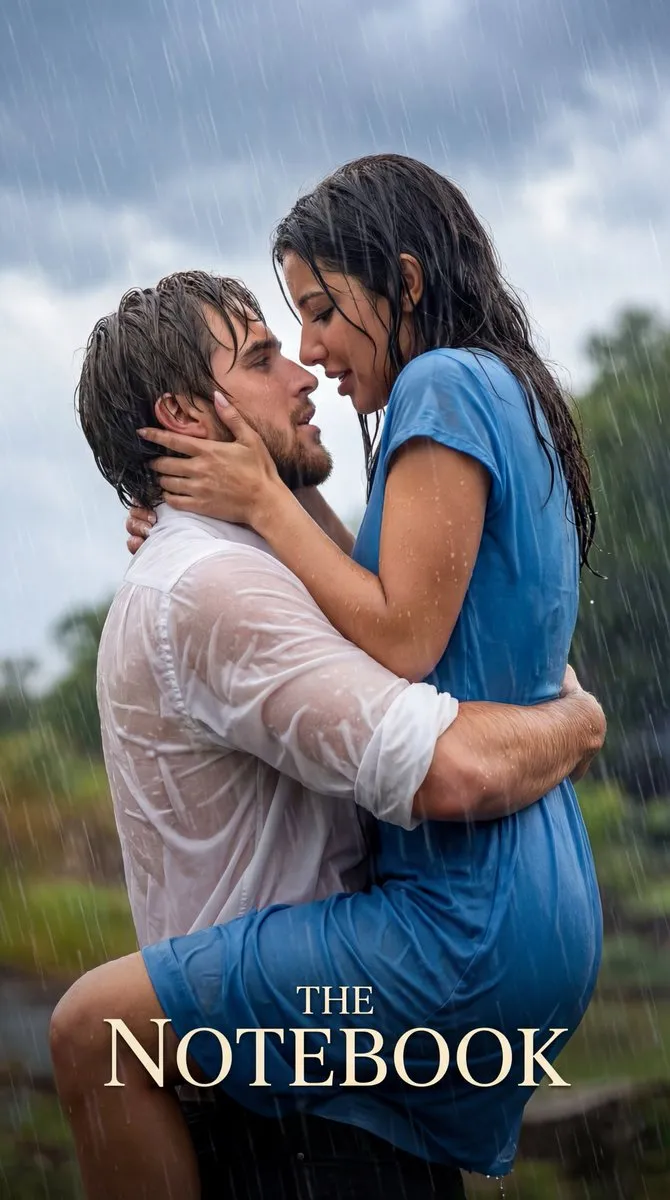
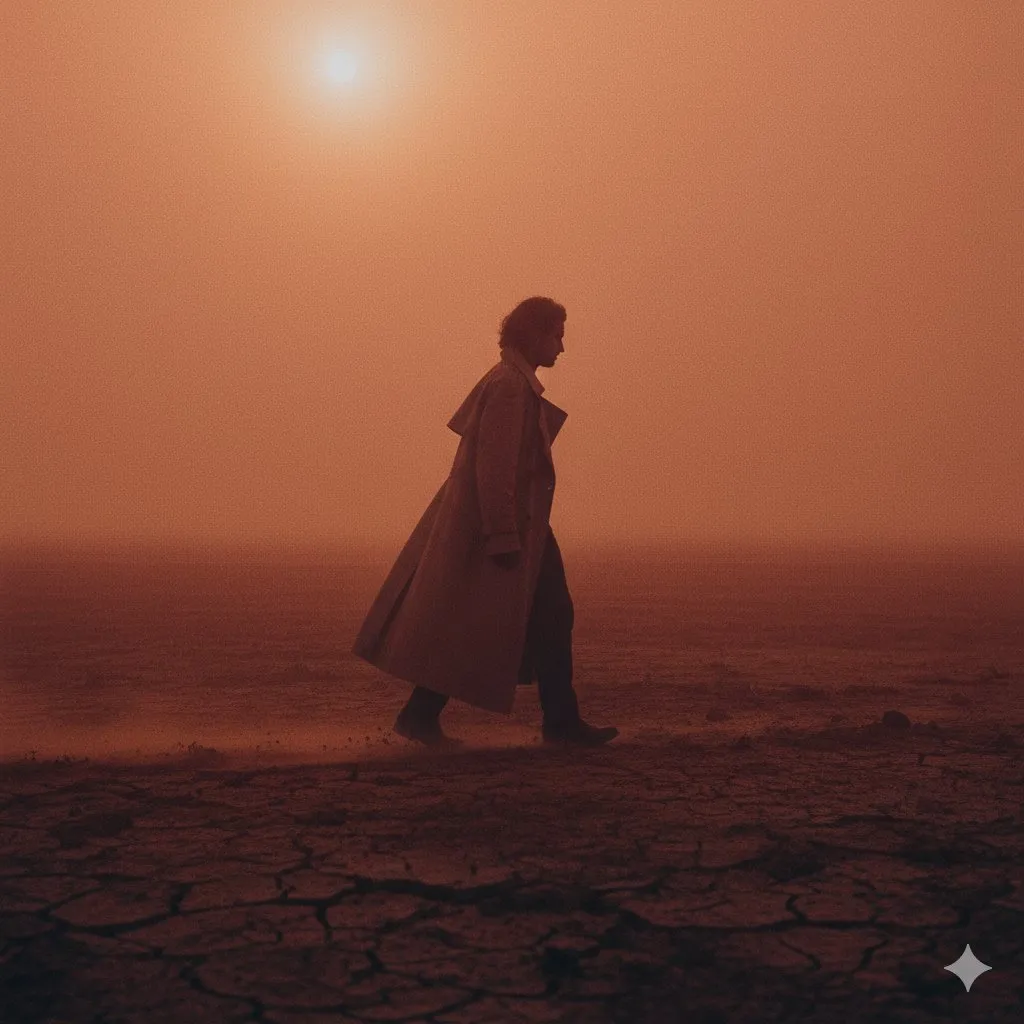
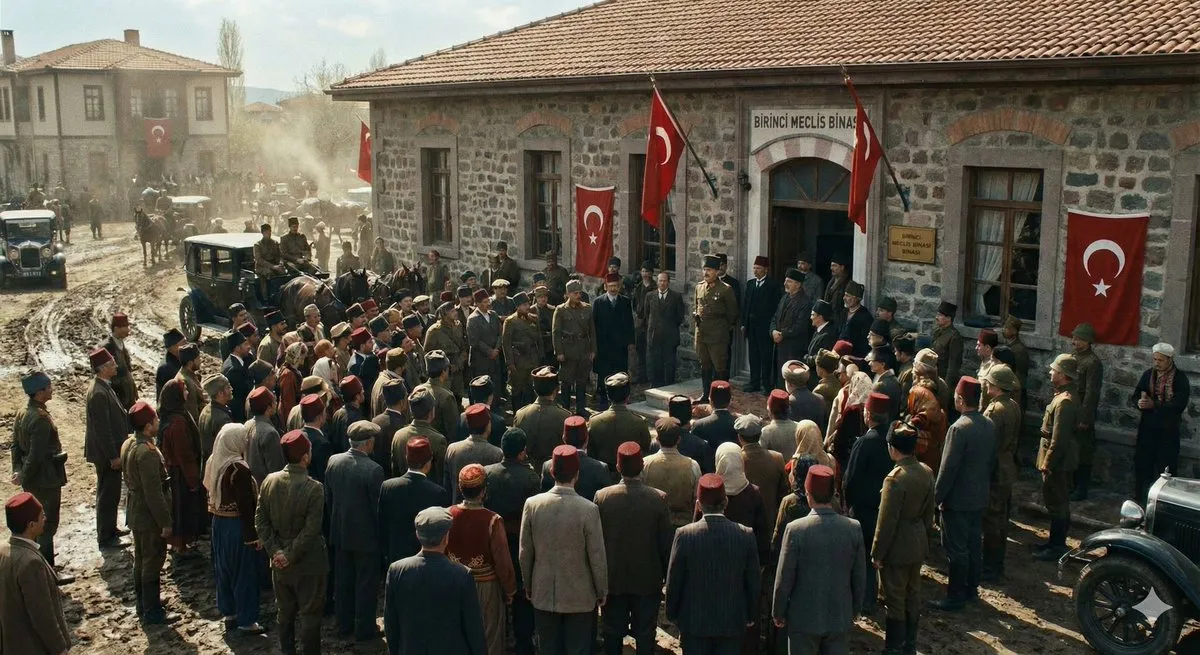
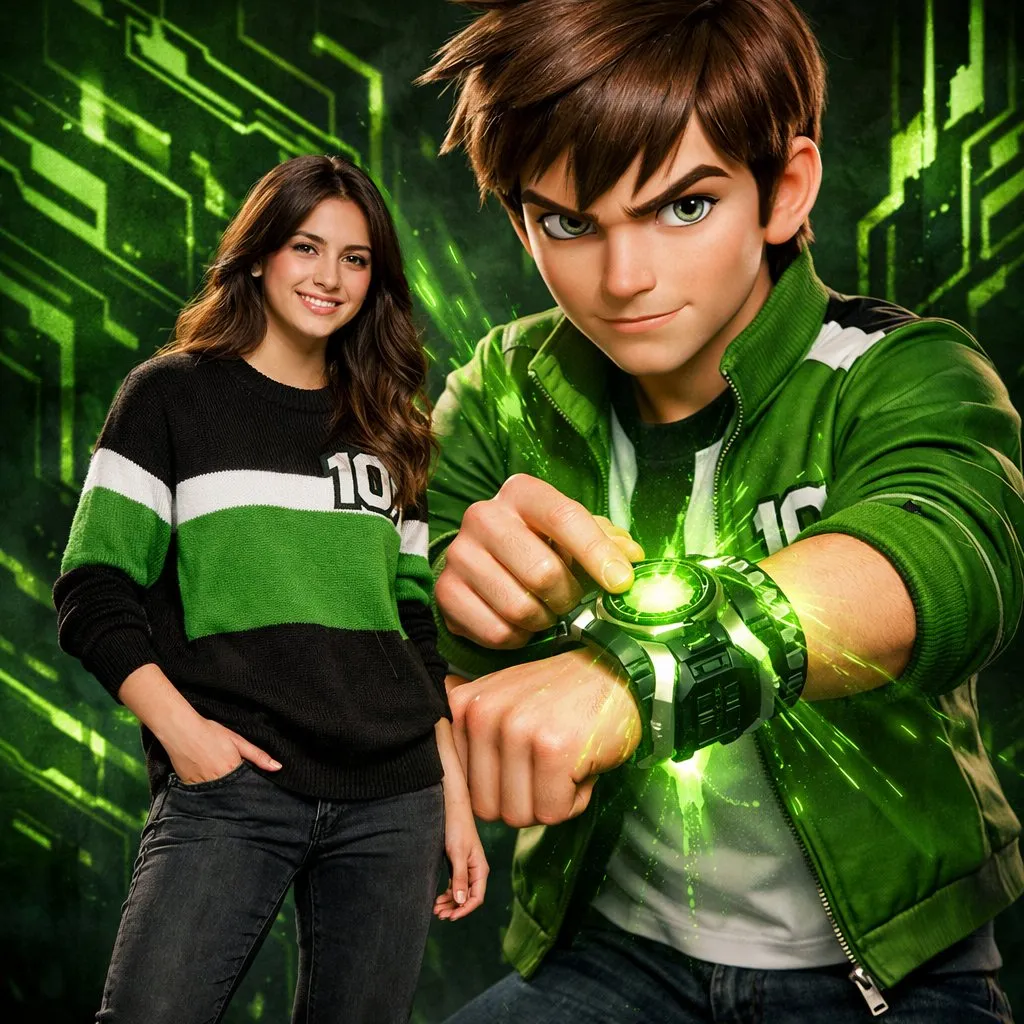
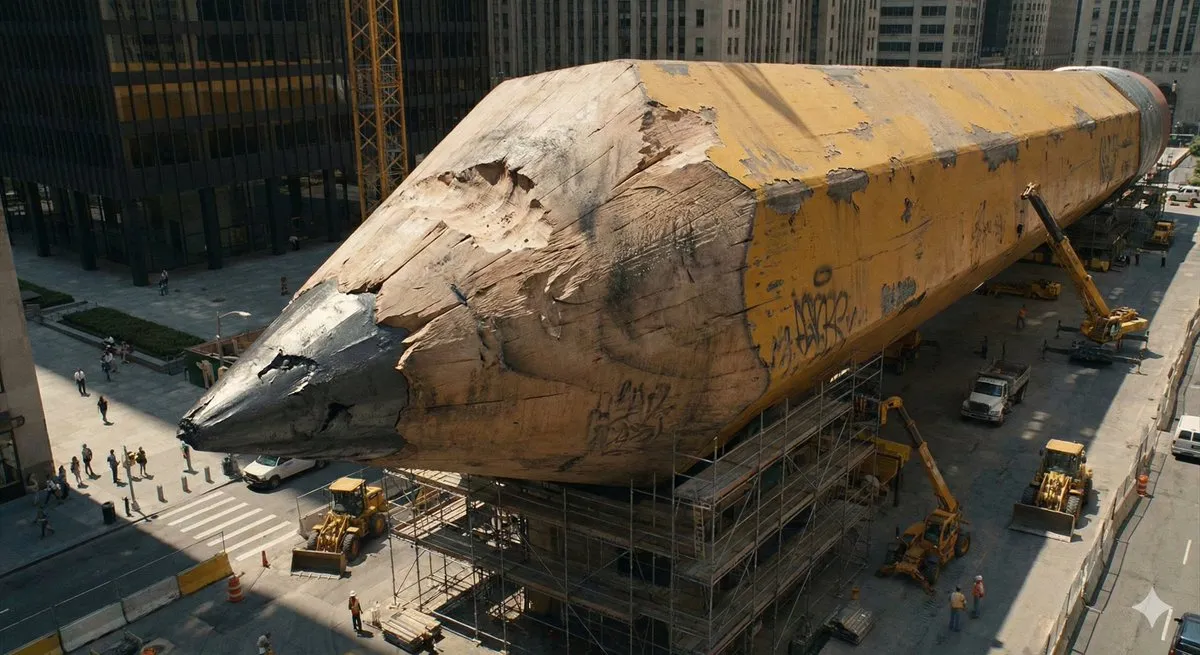

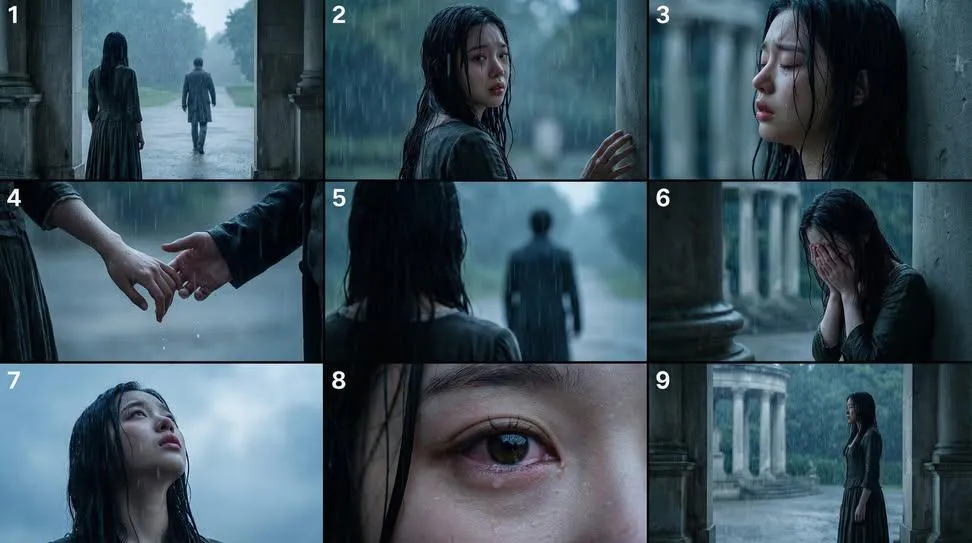
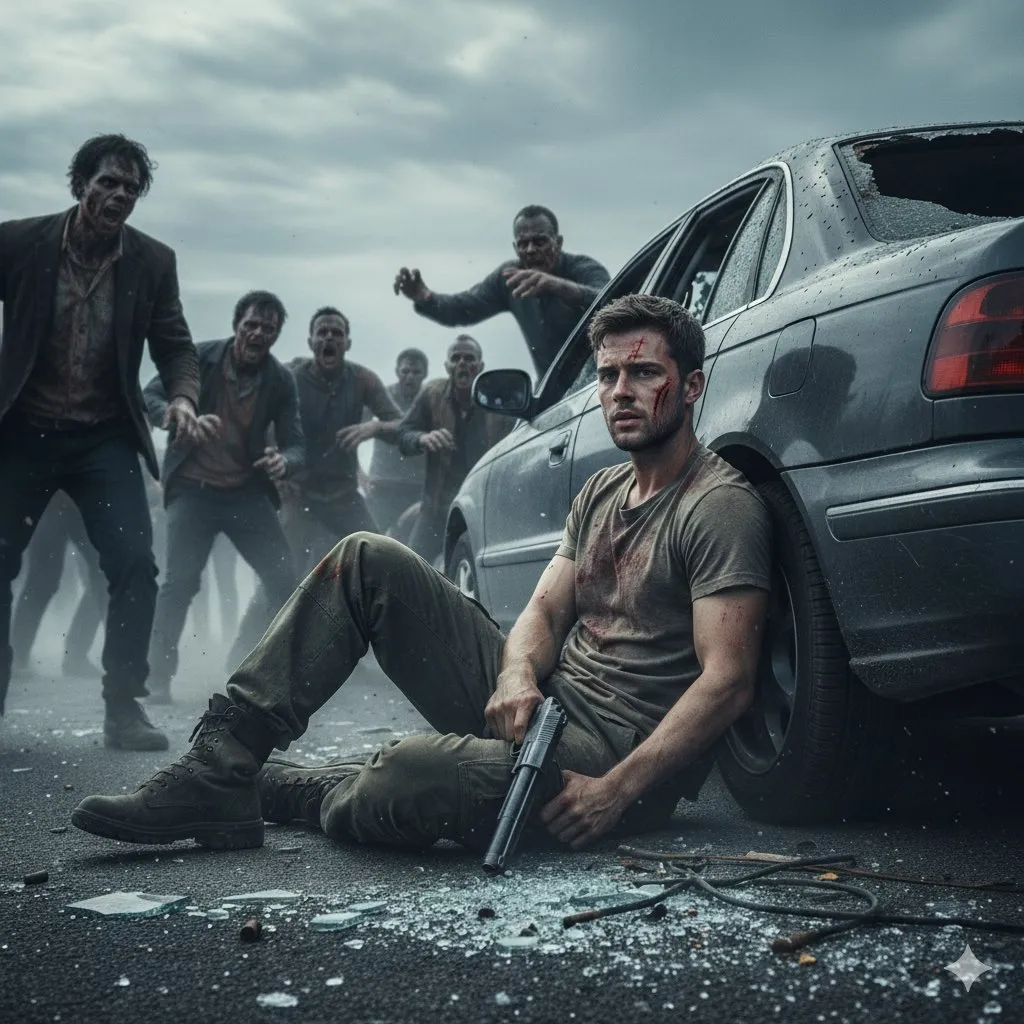
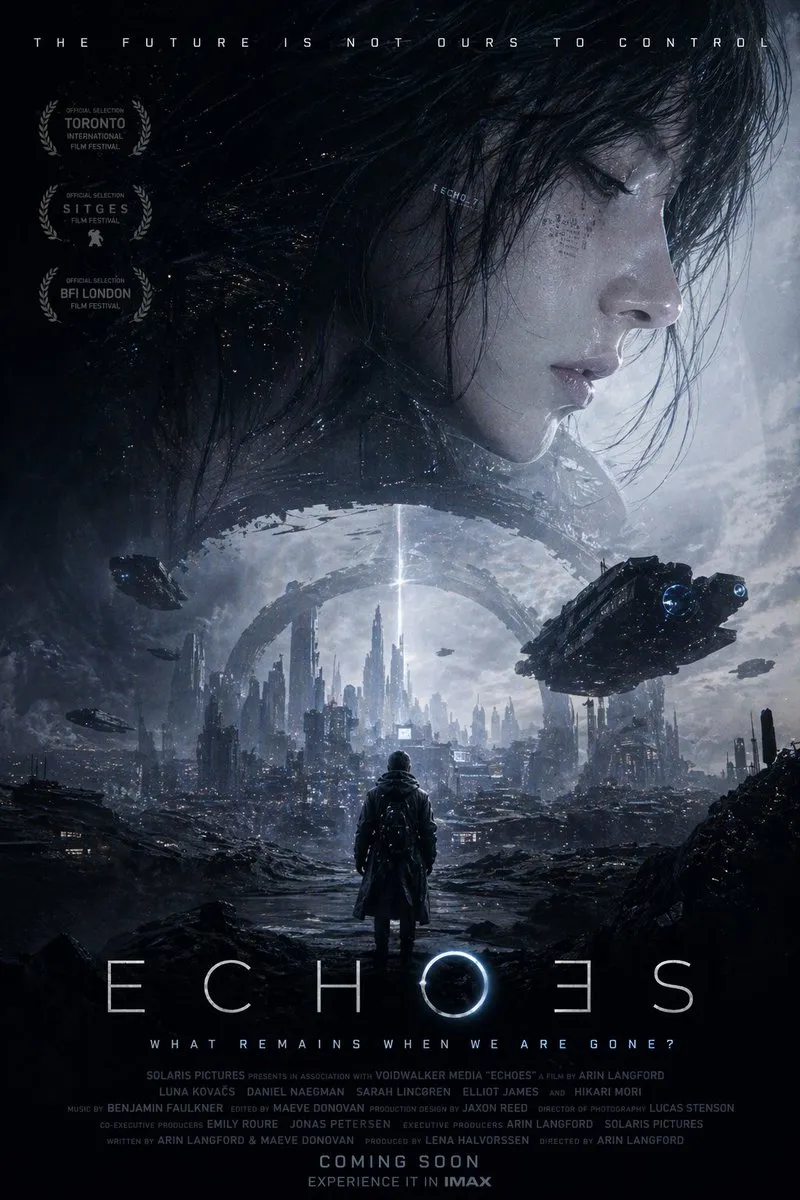
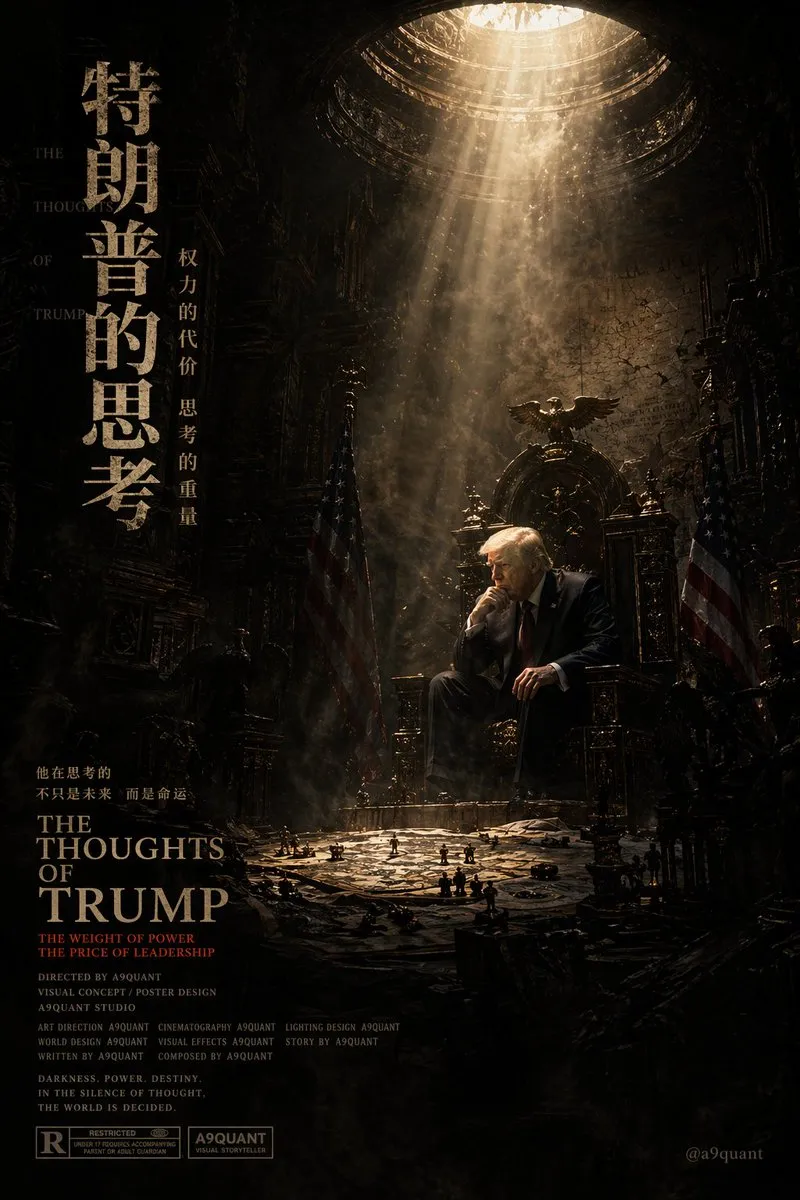
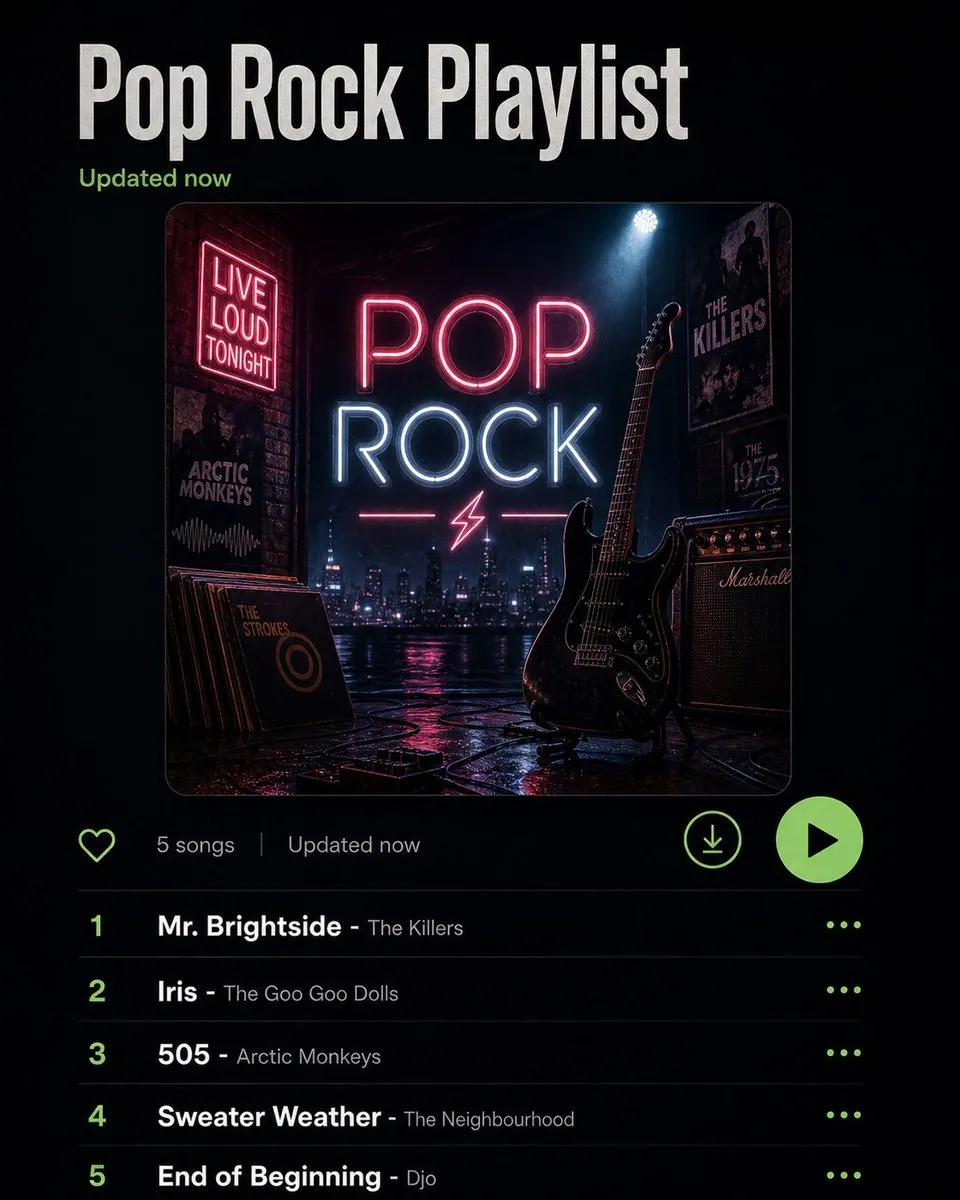
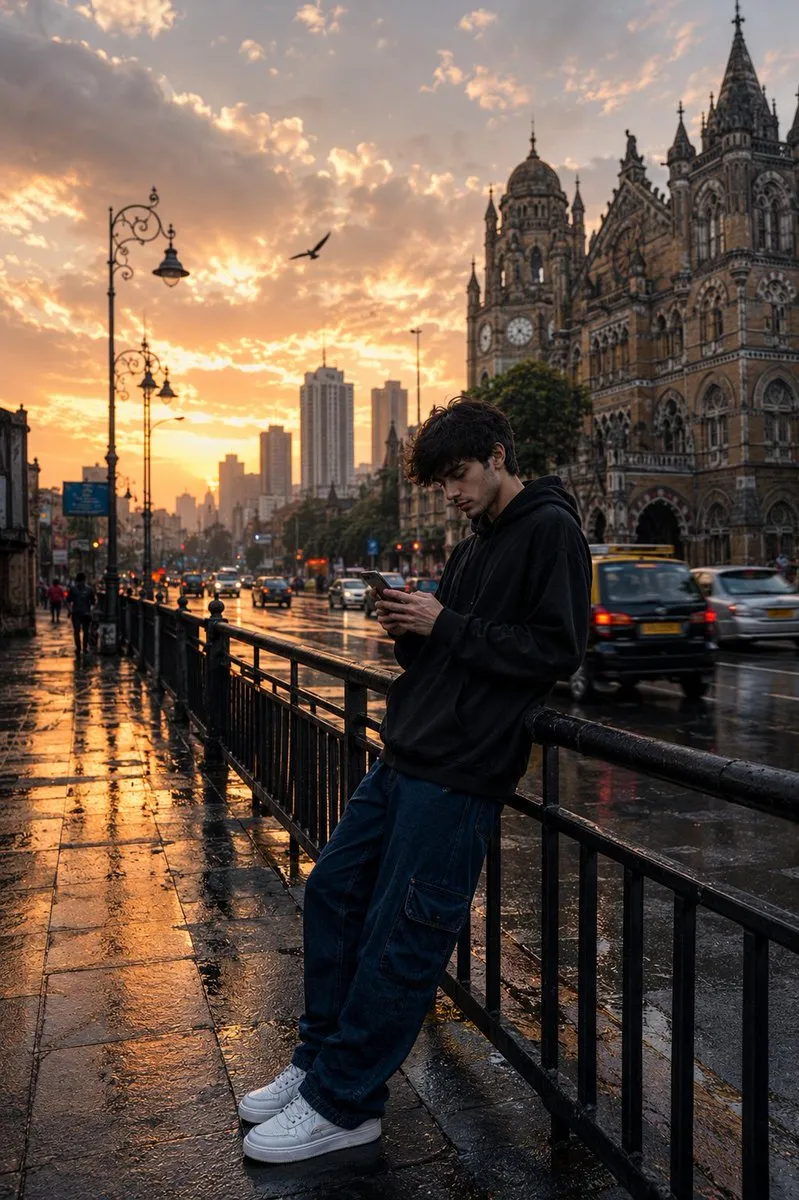
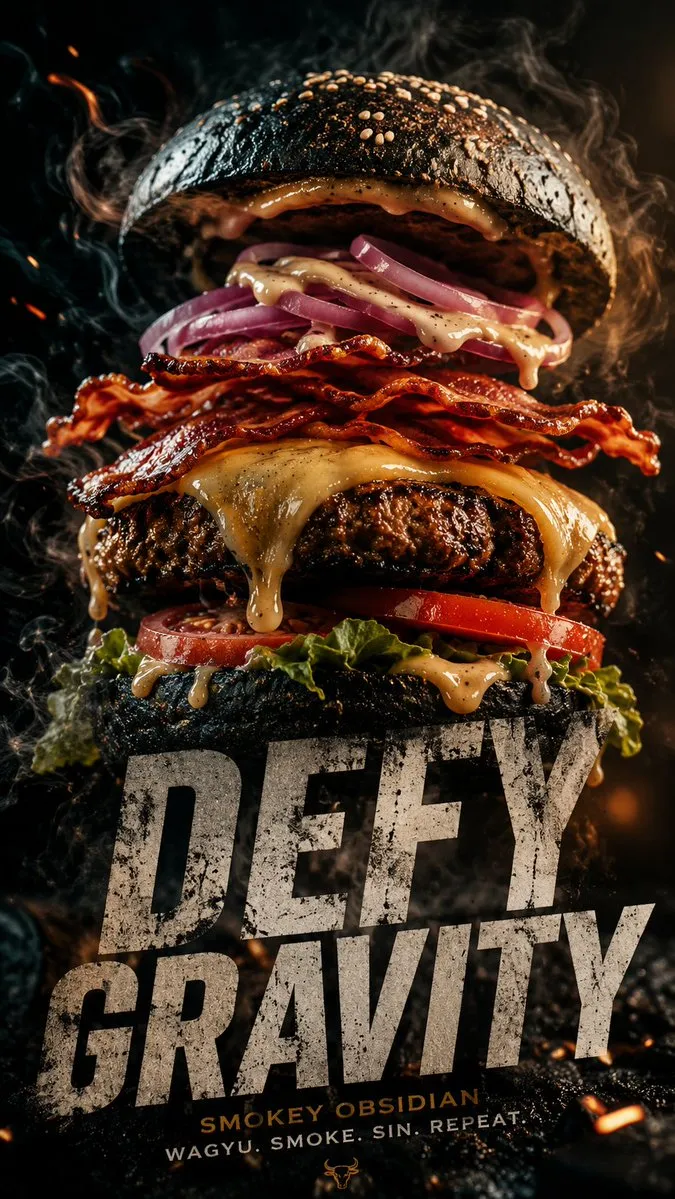
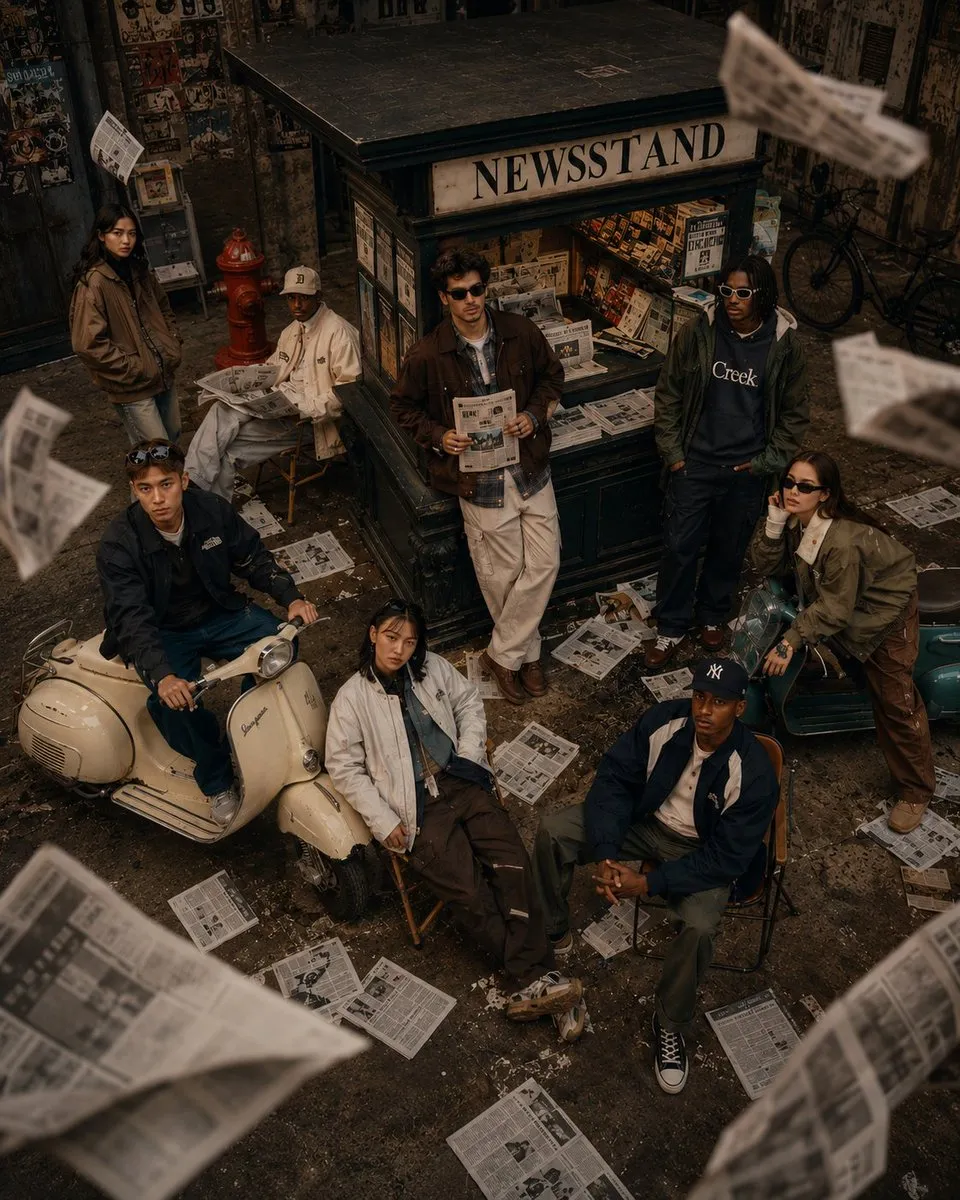
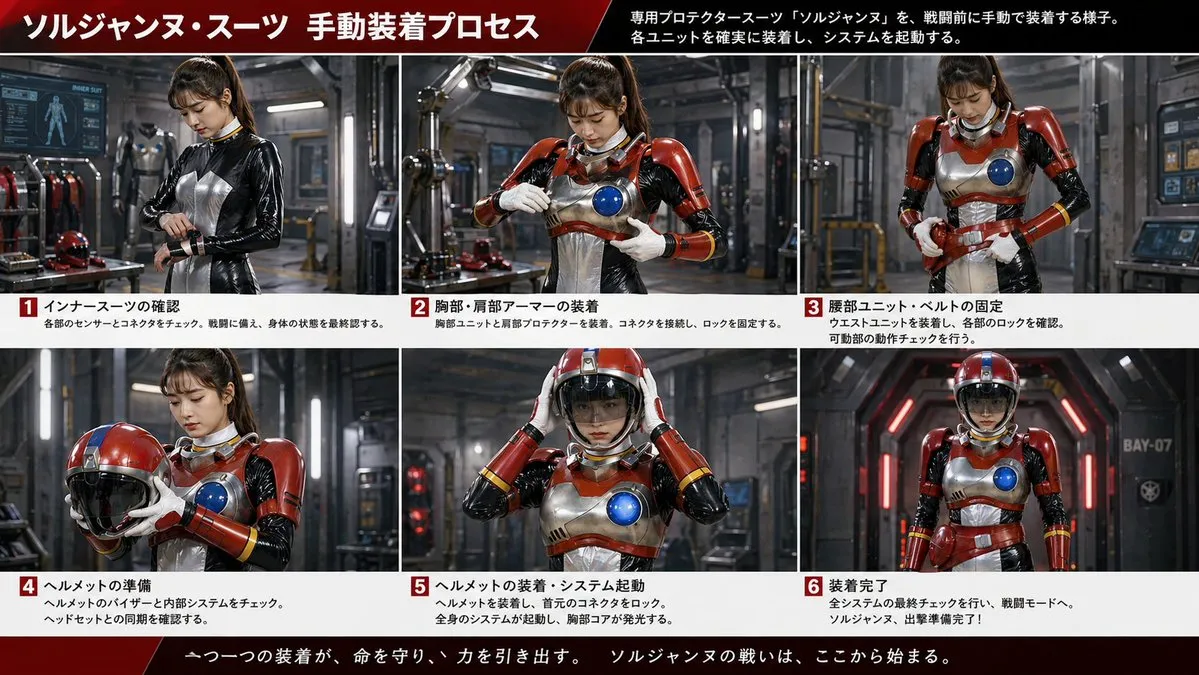
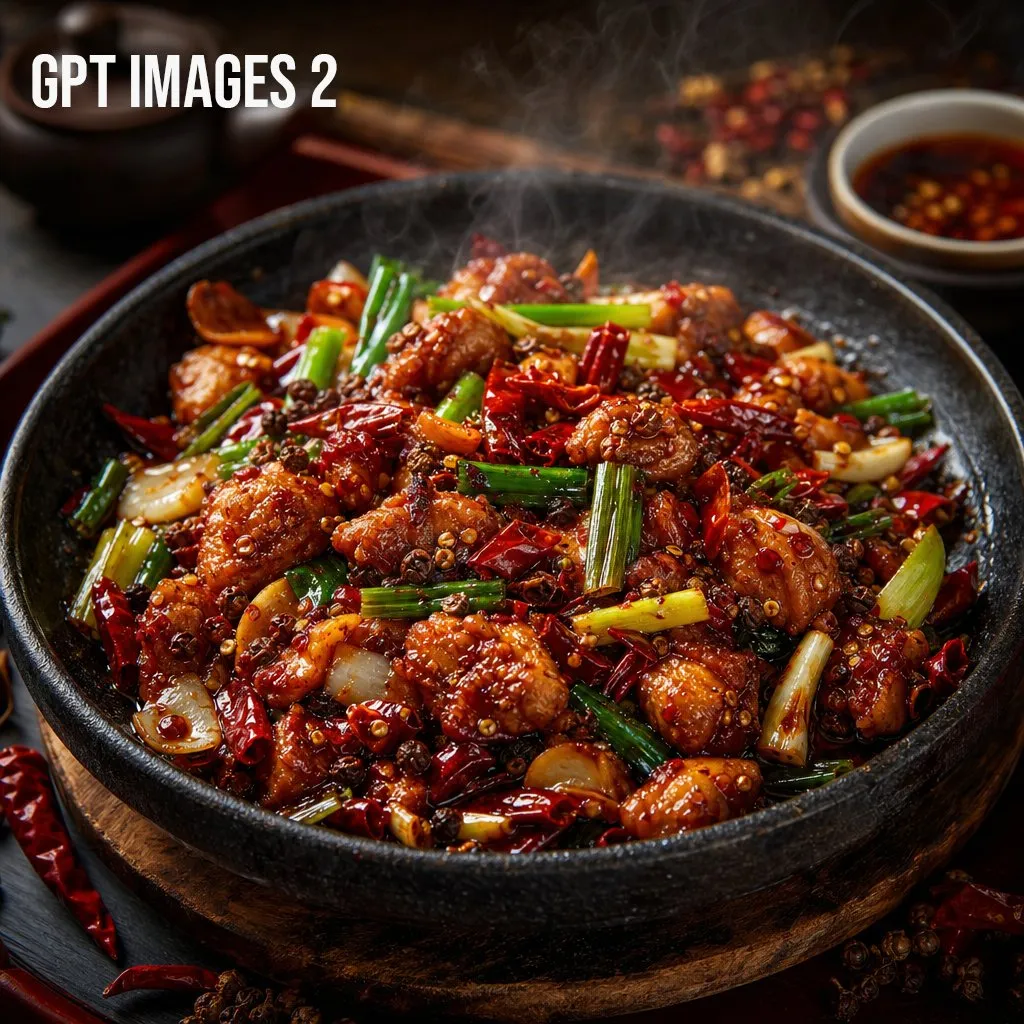
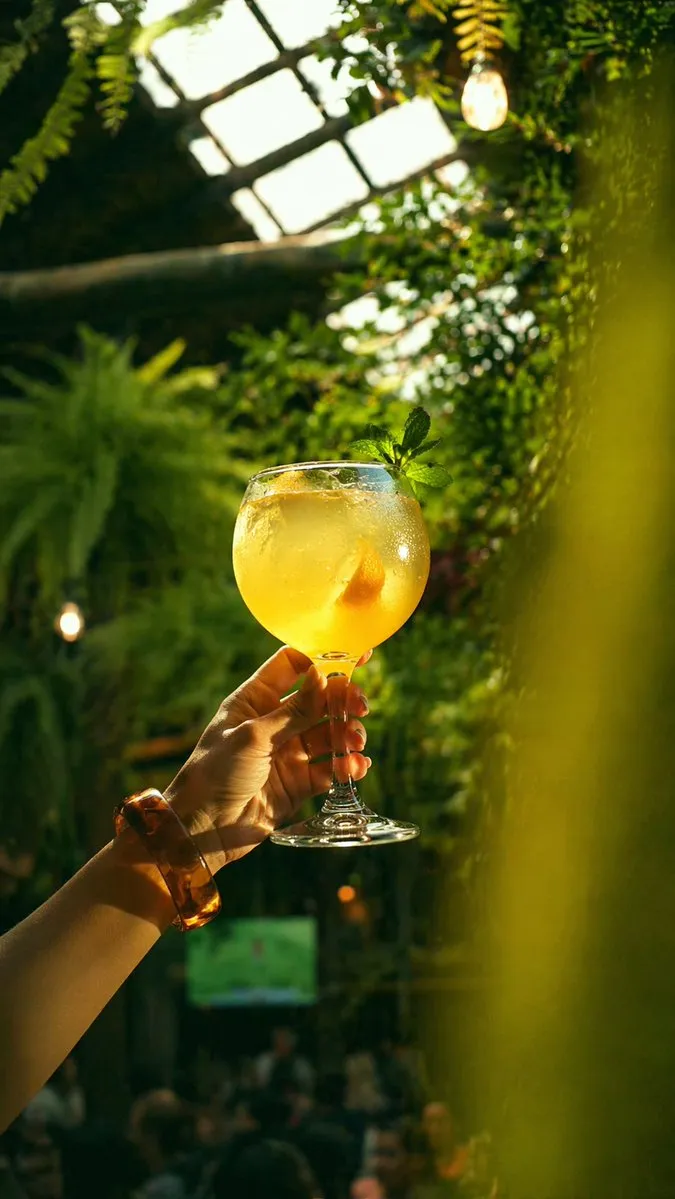
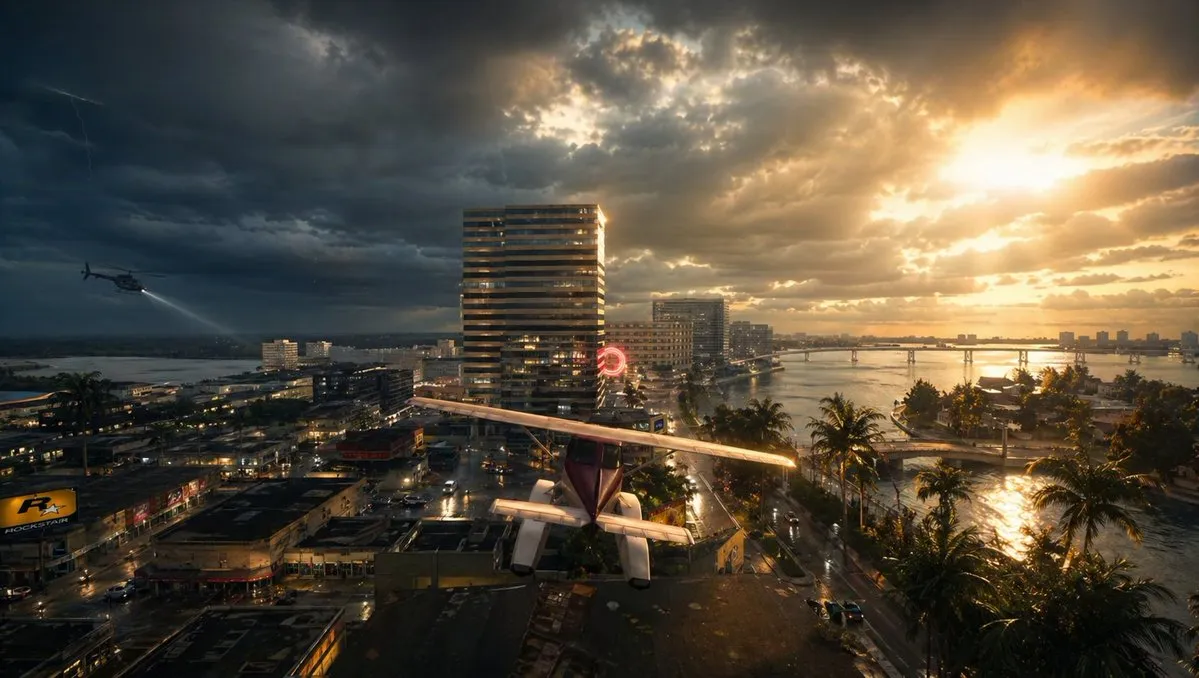
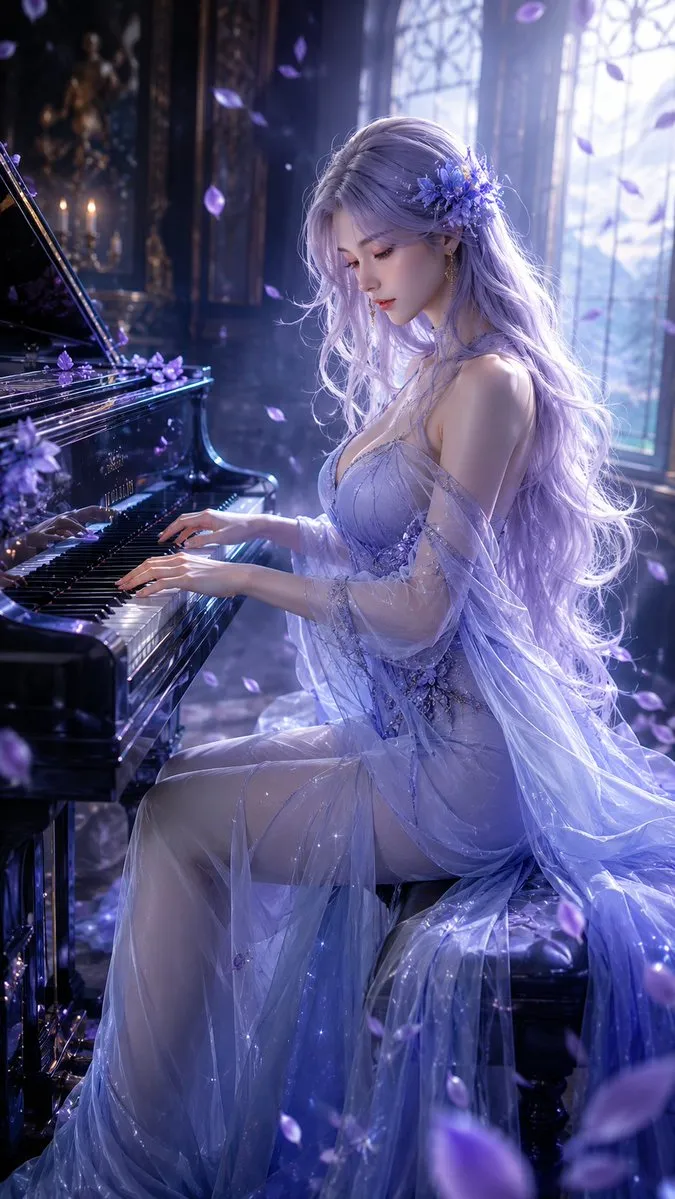
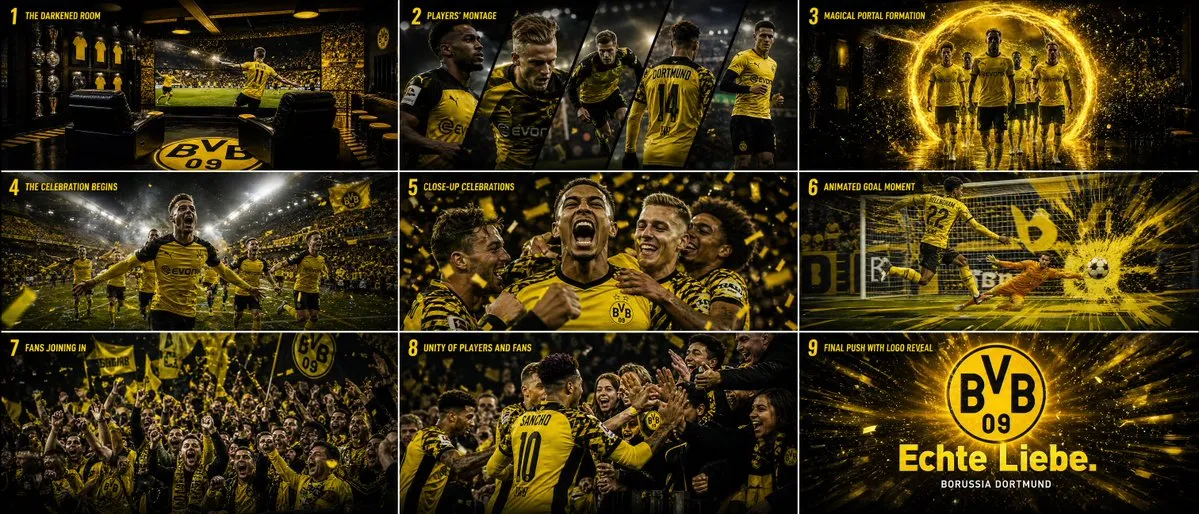
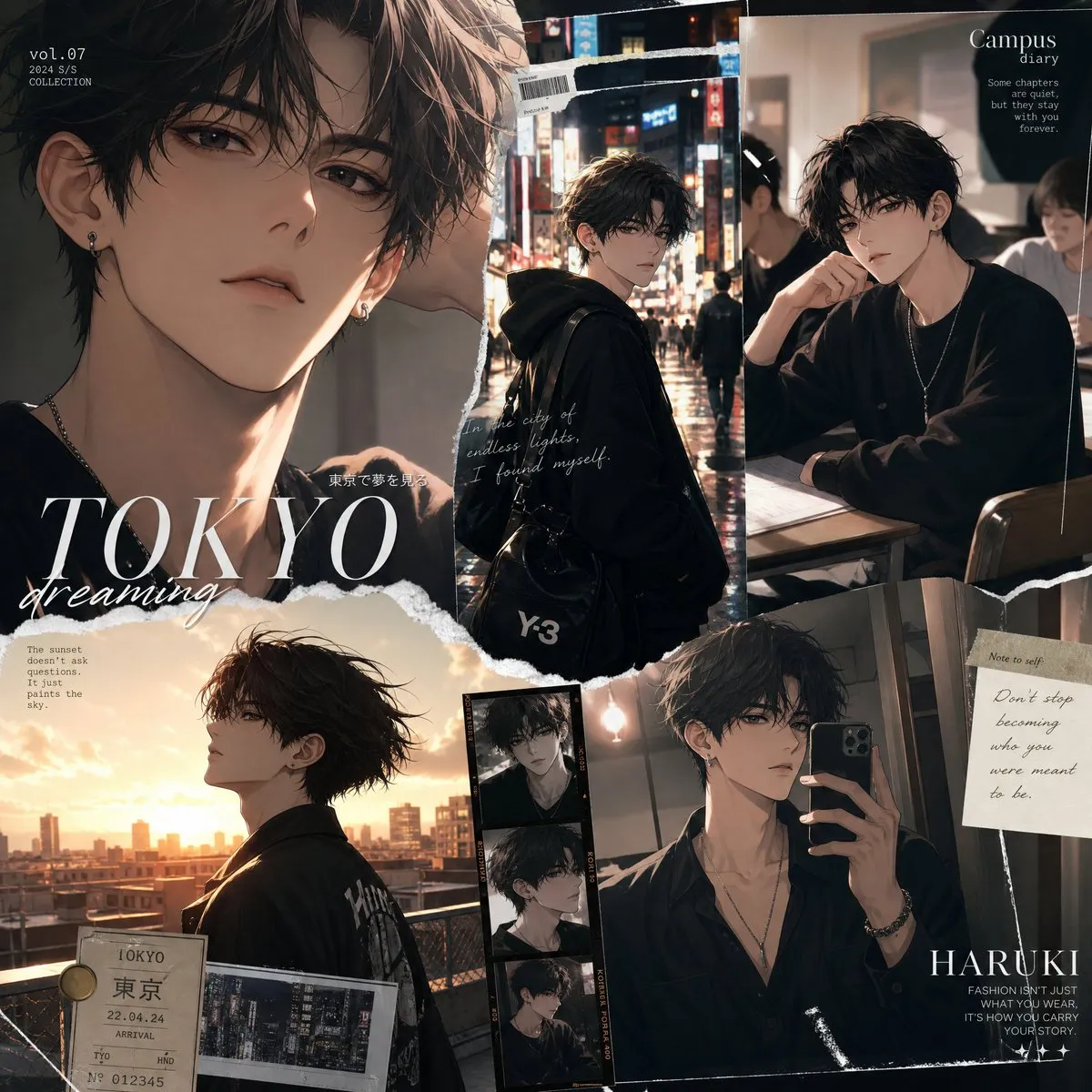
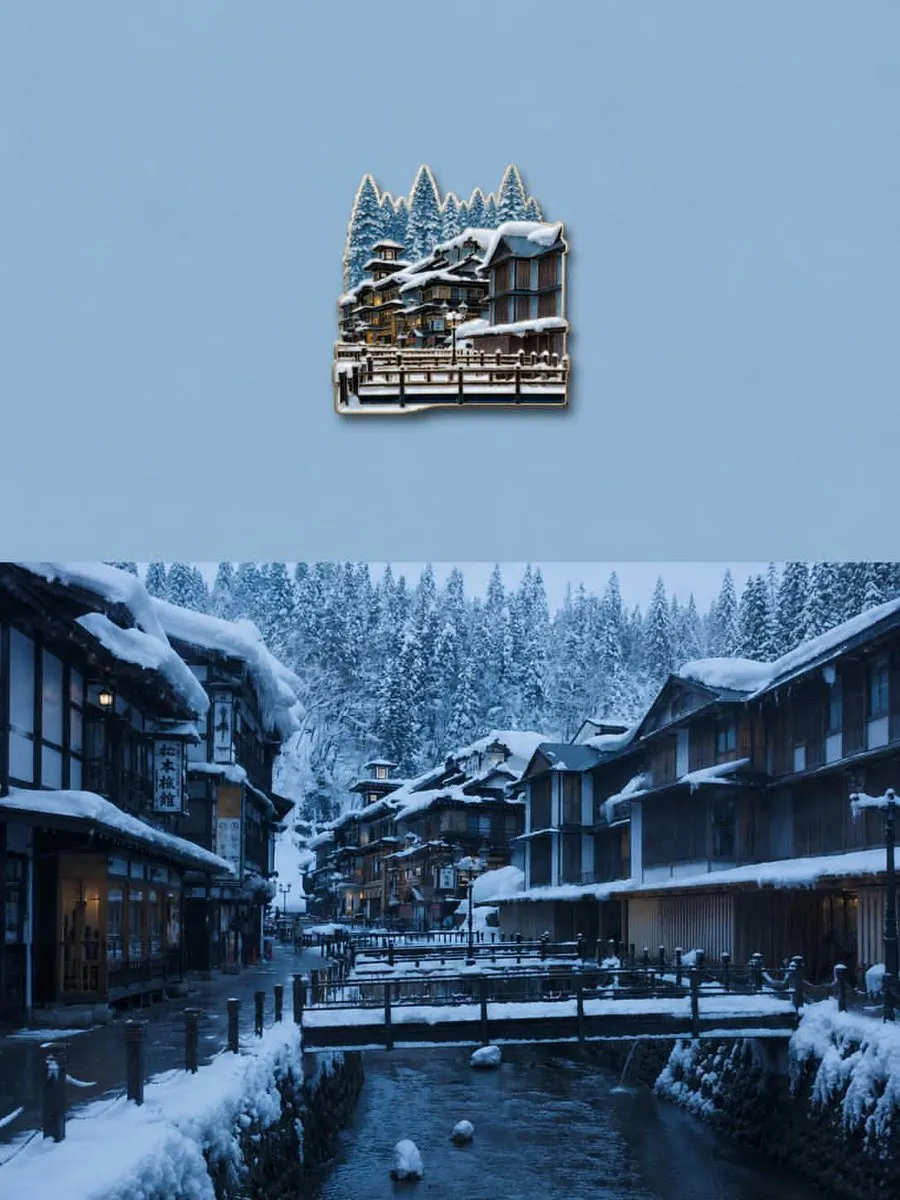
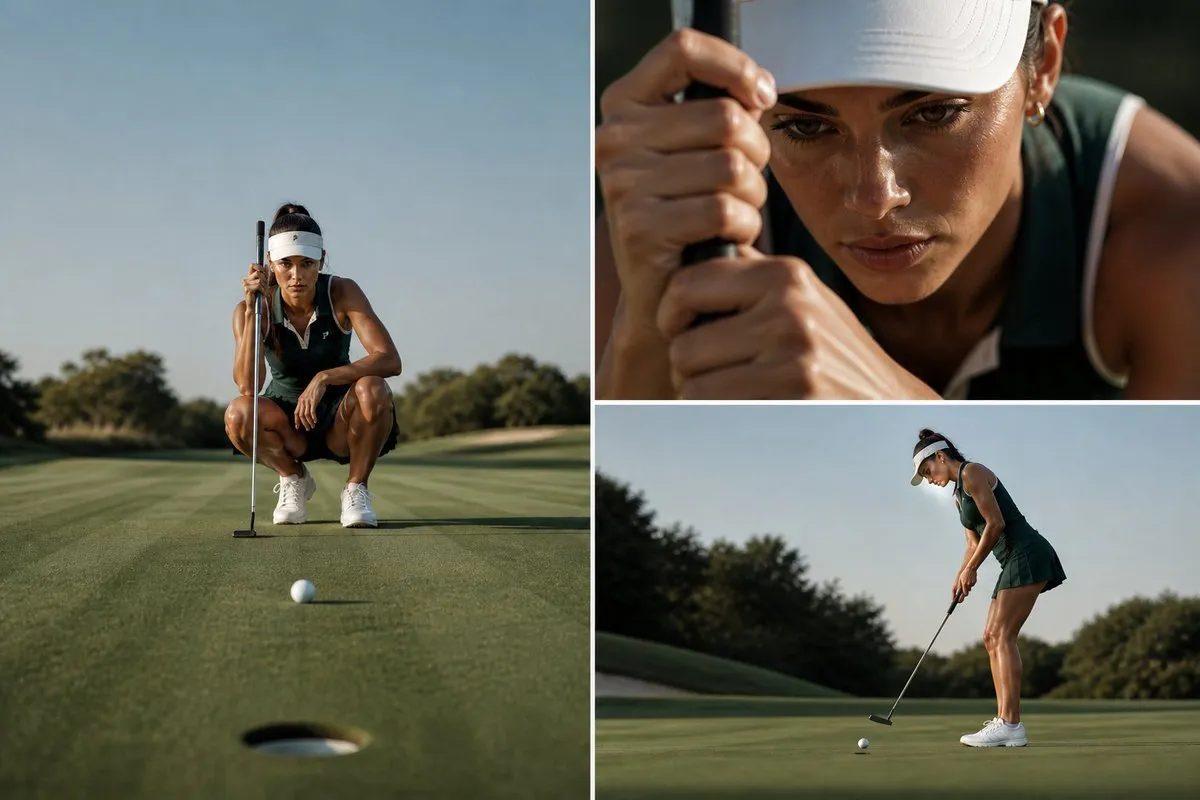
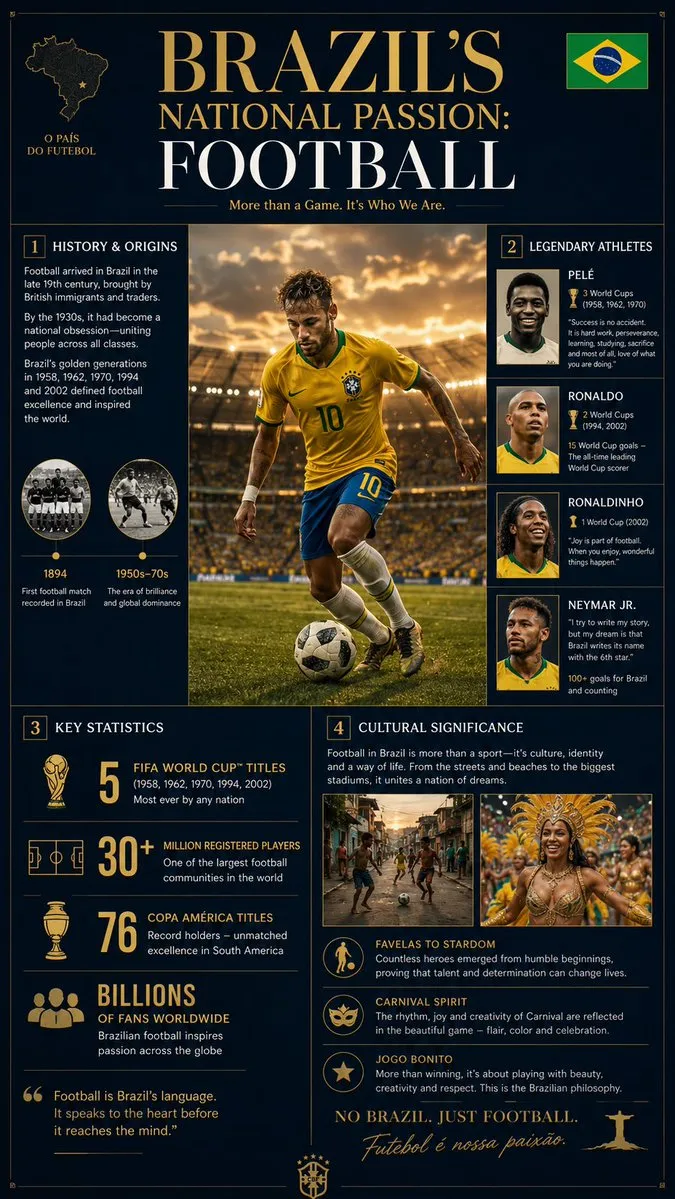
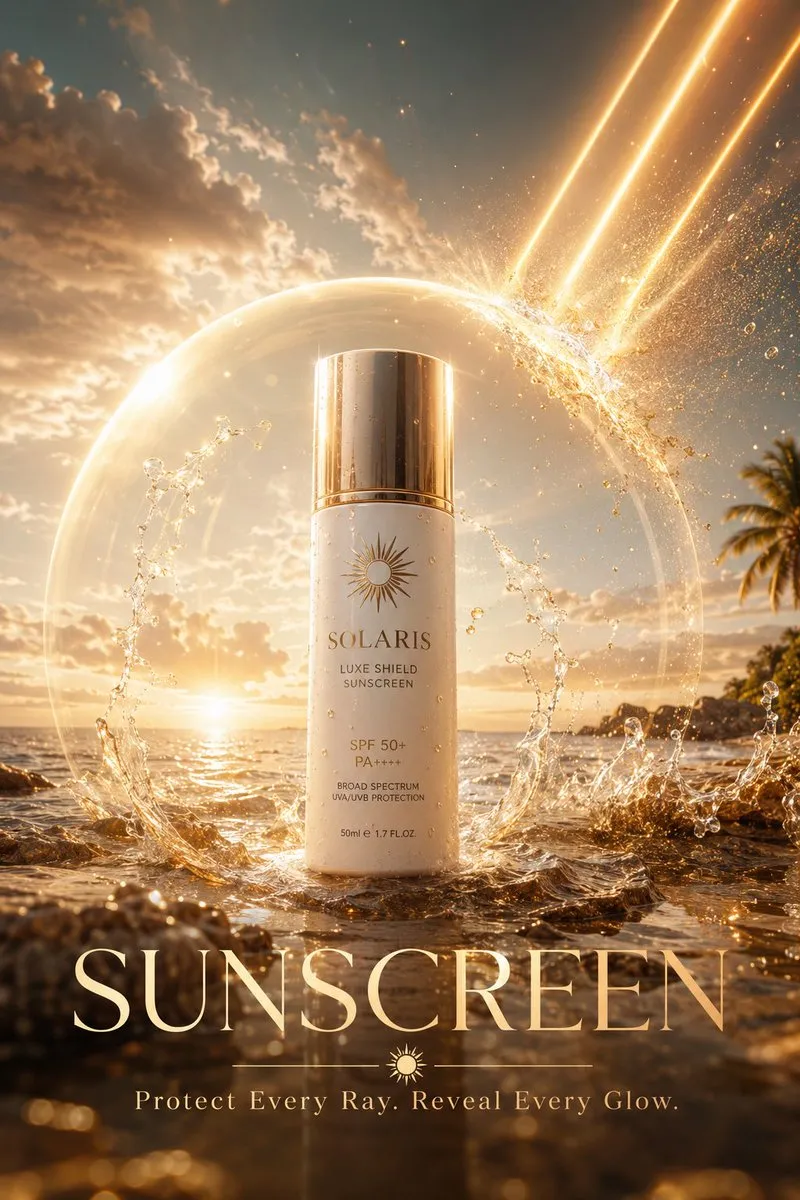
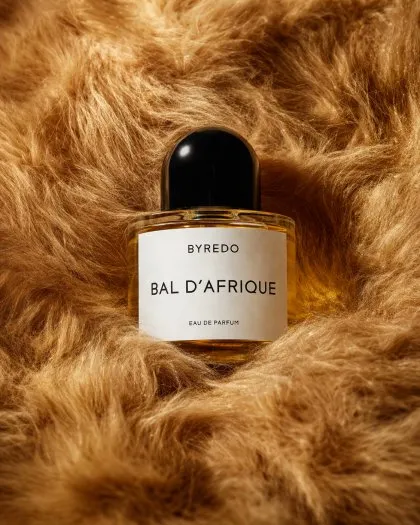
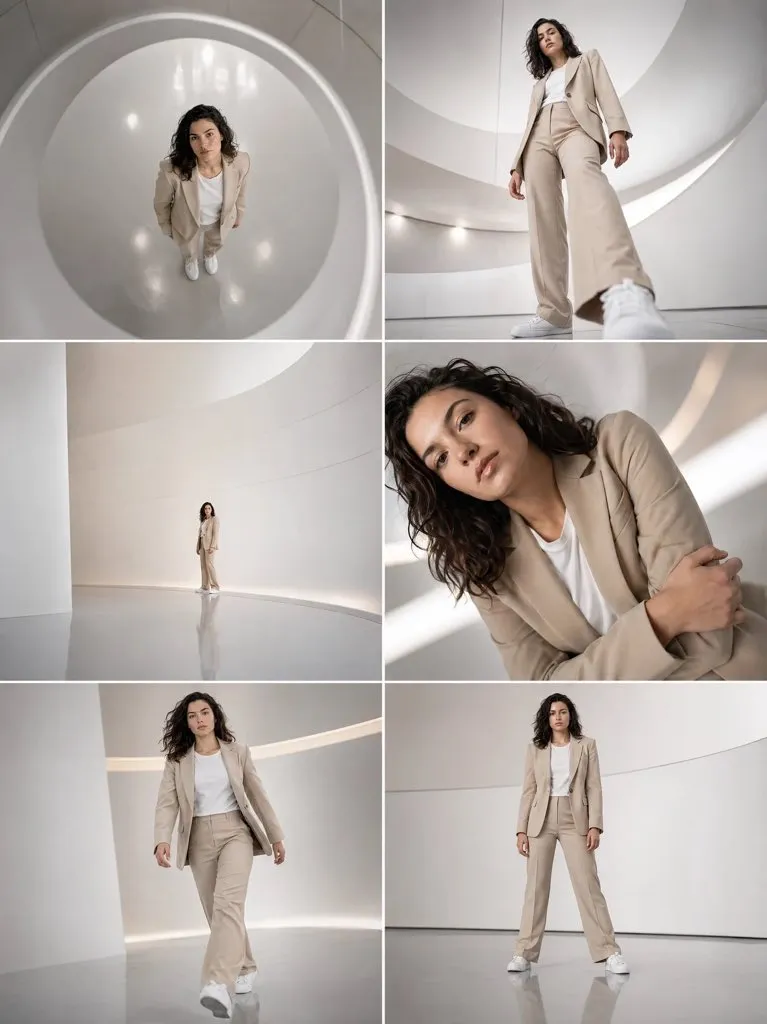
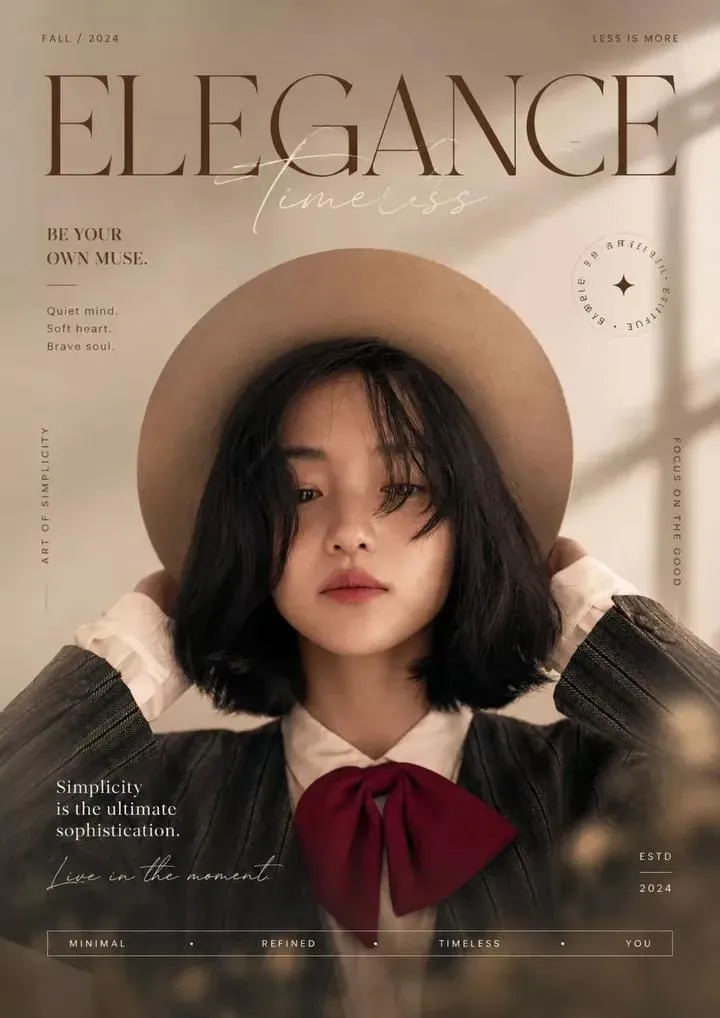
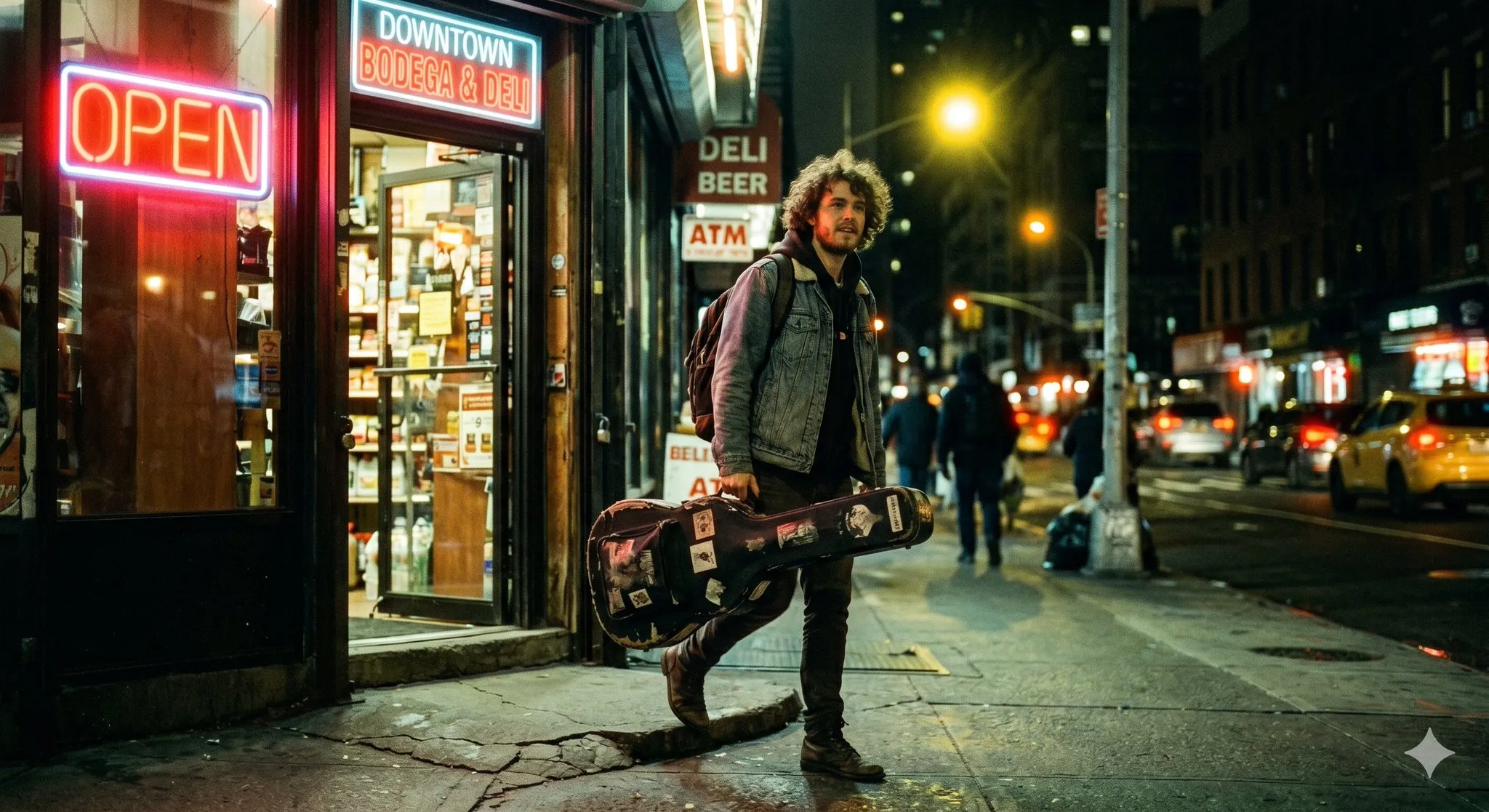
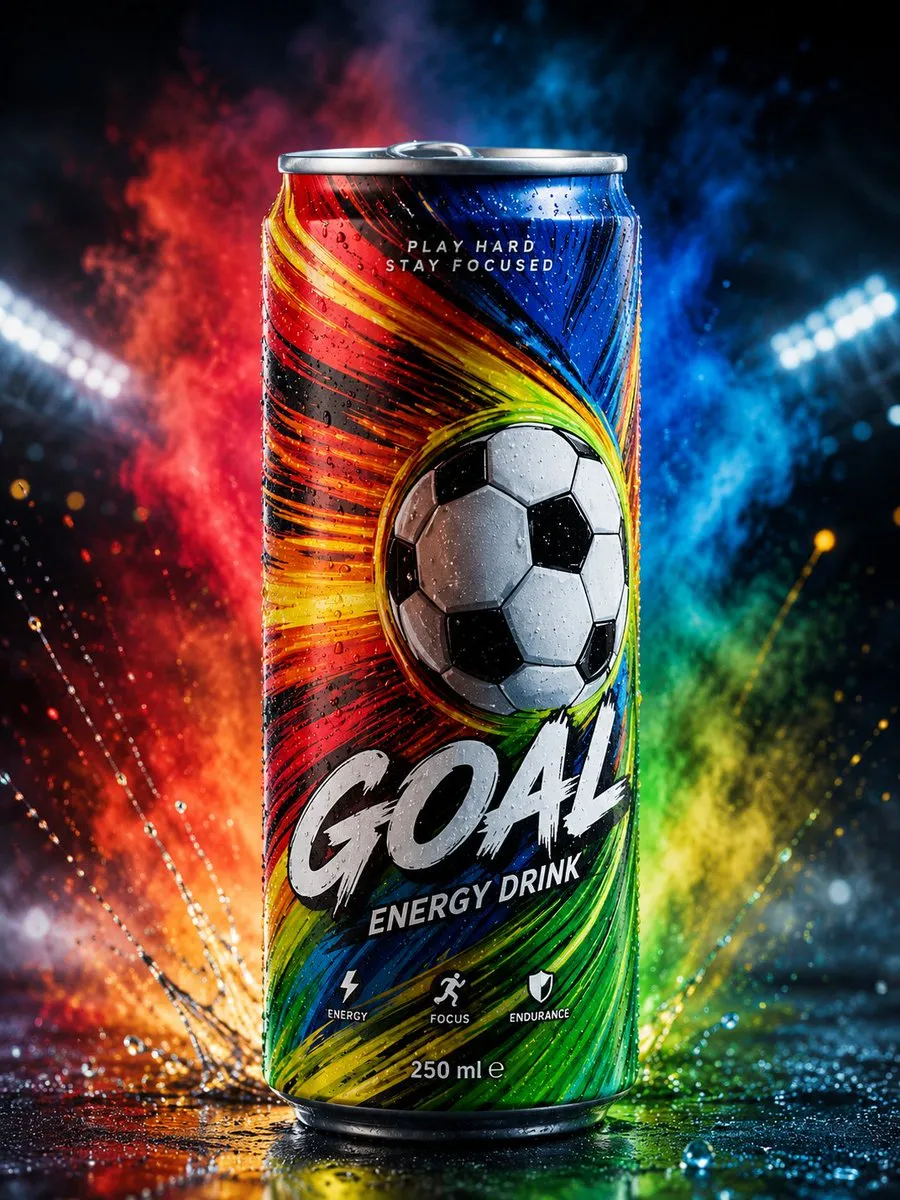
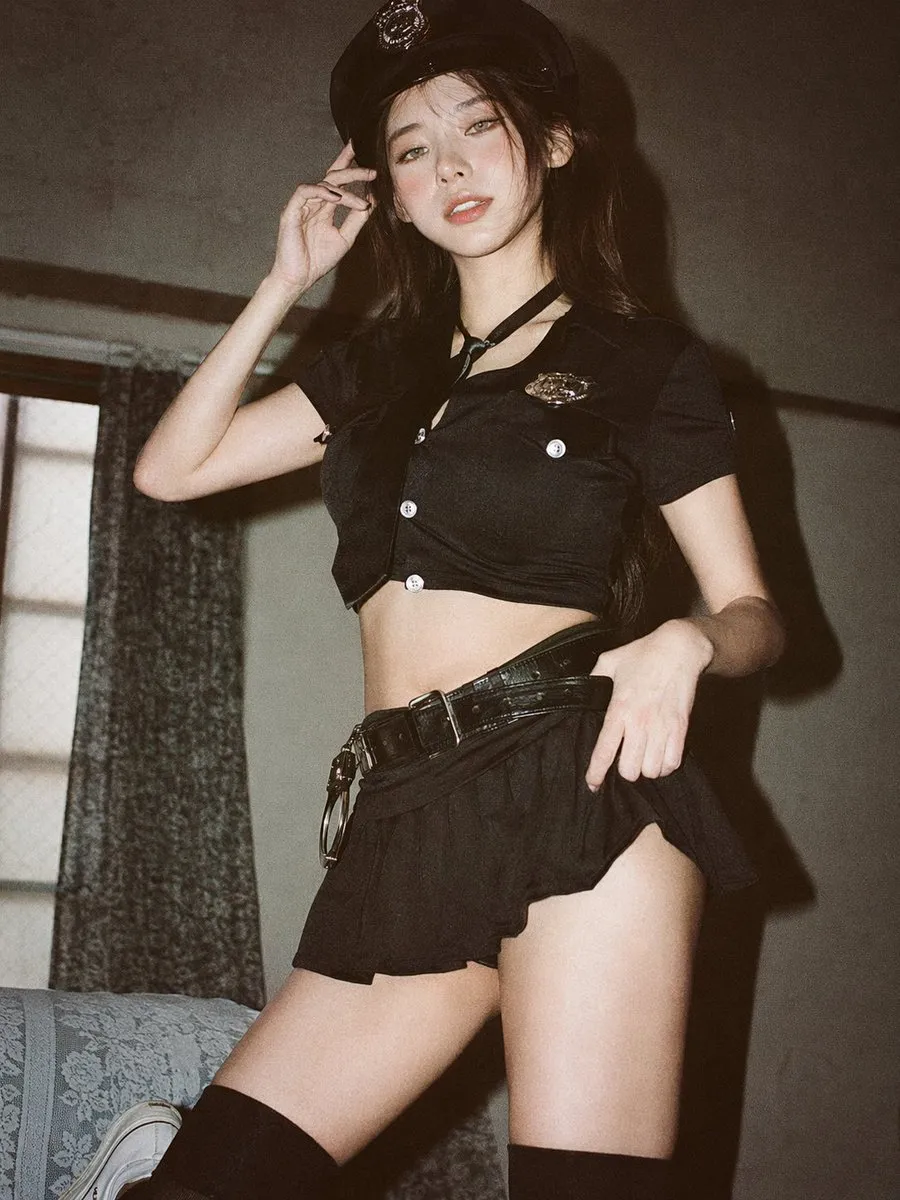
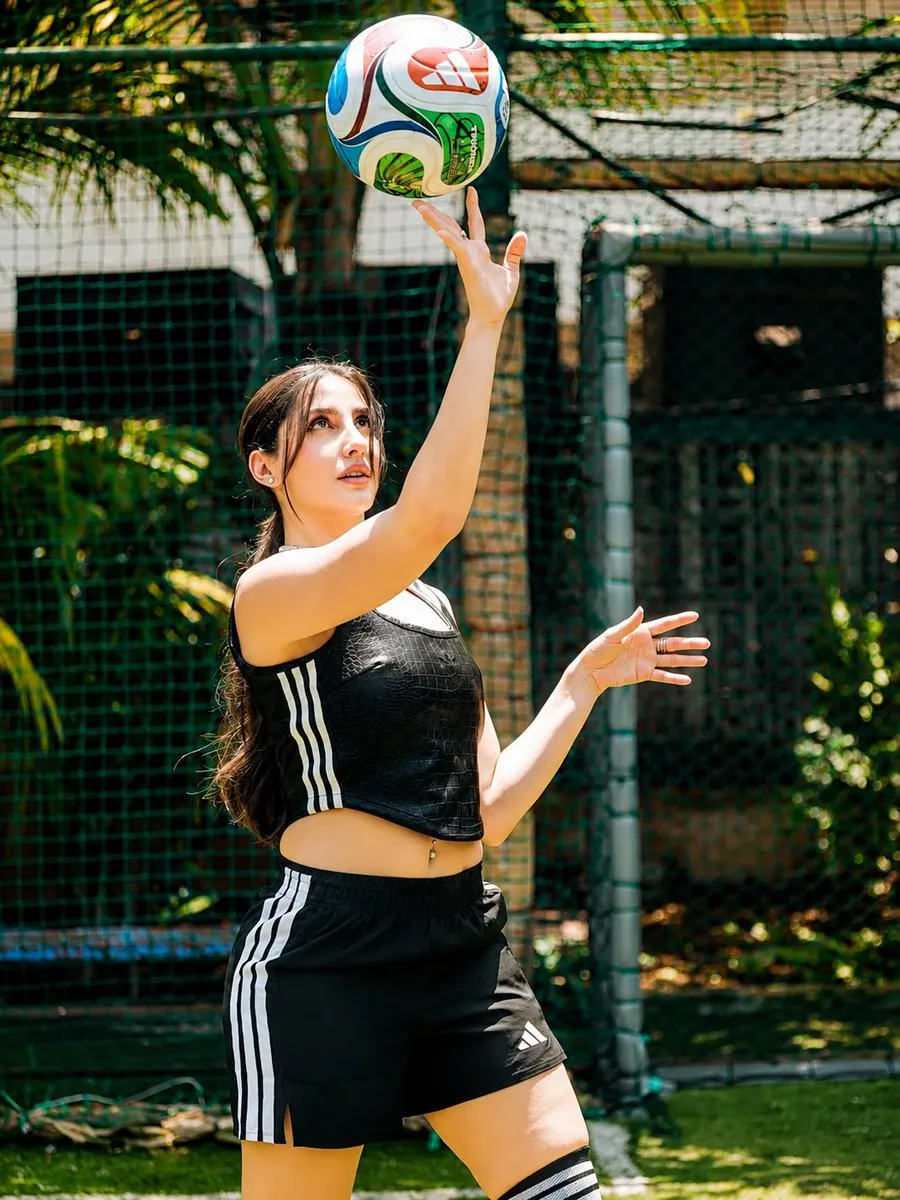
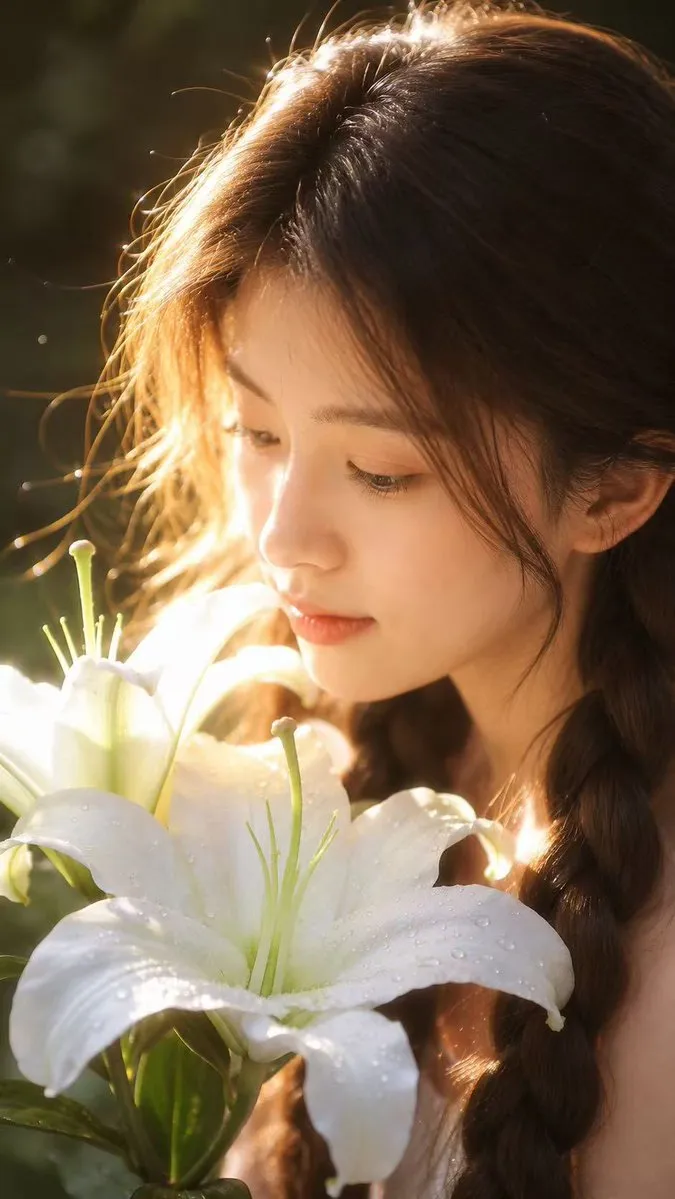
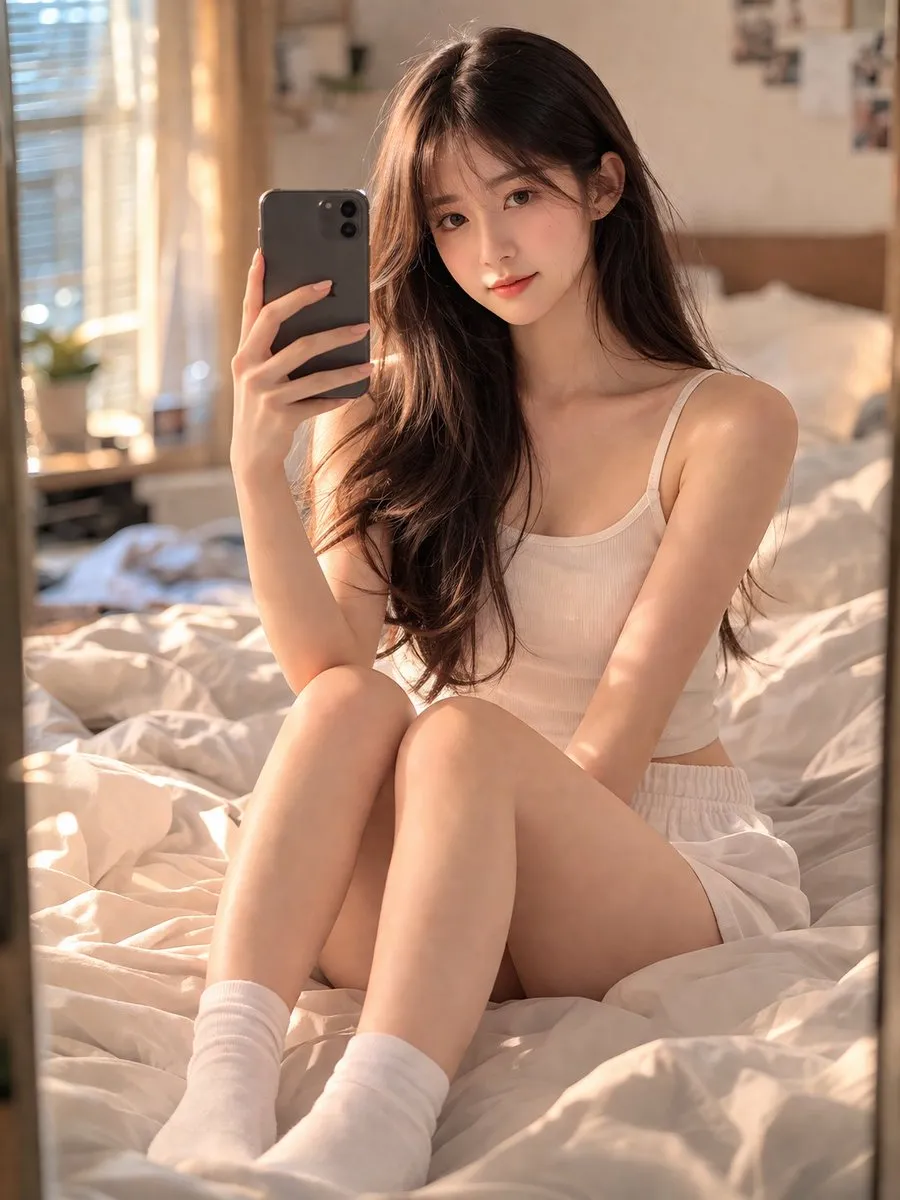
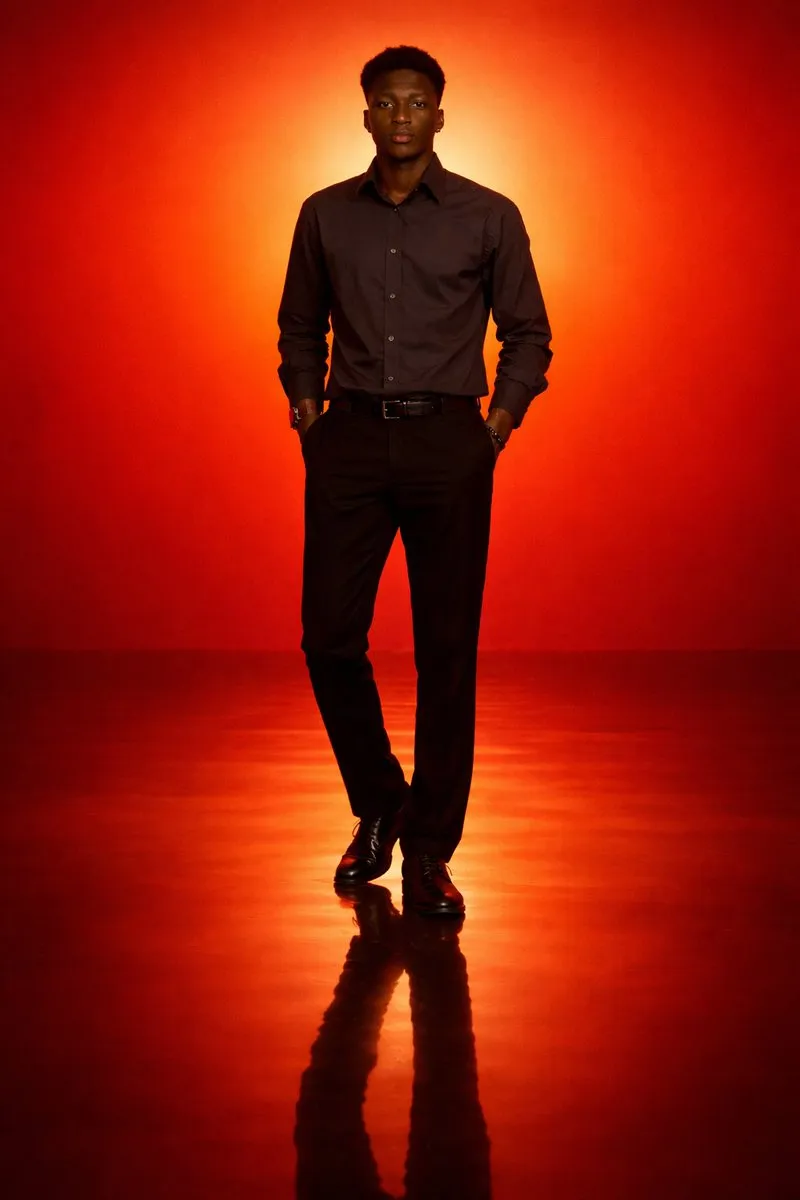
60+ cinematic prompts for AI image generators — film stills, anamorphic lens flare, teal and orange grading, moody lighting and widescreen framing.
Every prompt below links to the full prompt page with the image and copy button.
A cinematic image is not just a dramatic subject. It is a set of decisions: the ratio, the lens, the light direction, the colour grade and the way the frame is composed to suggest a story happening just outside it. That is why vague prompts like 'cinematic photo, 8k' produce the same flat, over-processed look every time.
The prompts in this collection are built from those decisions — anamorphic lenses, practical light sources, volumetric haze, film grain, teal-and-orange or bleach-bypass grades, and wide 2.39:1 framing. They are useful for key art, mood boards, book covers, YouTube thumbnails and storyboards.
Copy a prompt, then keep the camera and lighting sentences and rewrite the subject in your own words. The guide explains which of those sentences actually change the look, and which are just decoration.
Anamorphic 2.39:1, 35mm, 85mm, telephoto compression, wide-angle distortion — each produces a visibly different frame. Naming the lens is the single highest-impact phrase in a cinematic prompt.
Neon signage from the left, practical lamp behind the subject, single hard key light with deep shadows, overcast daylight. Light with a direction creates depth; light with a mood only creates a filter.
Volumetric haze, dust in the air, light rain, film grain — pick one. Stacking all of them makes the image noisy and obviously generated.
Teal and orange, bleach bypass, muted pastel, high-contrast monochrome. Two grades in one prompt cancel each other out.